7 Tips to Choose the Best Bench Desk for Your Office

Choosing a Bench Desk is not simply a matter of counting seats. It affects concentration, privacy, movement, and daily collaboration. A desk may look efficient on a floor plan, yet feel crowded when monitors, bags, cables, and personal items fill the surface.

Industry research supports a more careful approach. Gensler Research Institute’s 2024 Global Workplace Survey shows that employees need varied settings for focused work, teamwork, and recovery. The Leesman Index also links workplace performance with practical details, including suitable furniture, reliable technology, and comfortable work areas. These findings suggest that one benching layout cannot serve every office equally.

Workplace psychologist Craig Knight has stated, “If people have control over the design and layout of their workspace, they’re not only happier and healthier—they’re also up to 32% more productive.” His observation is highly relevant to Bench Desk selection. Workers need reasonable control over lighting, seating position, screen placement, and acoustic exposure.

The best choice depends on real behavior. Measure the room, not just the catalogue. Check knee clearance beneath the frame. Test cable access with a laptop, dock, and monitor. Notice whether two colleagues can speak without disturbing six others. Small details matter.

There is no perfect Bench Desk. Some teams may value density too highly and underestimate noise. Others may purchase expensive systems without testing them in use. This guide examines seven practical tips, combining workplace data, ergonomic principles, and on-site judgment to support a more reliable office decision.

7 Tips to Choose the Best Bench Desk for Your Office

Understanding Bench Desk Types and Office Applications

7 Tips to Choose the Best Bench Desk for Your Office

Understanding Bench Desk Types and Office Applications

A bench desk is more than a long table. Its structure affects teamwork, privacy, movement, and cable management. Linear bench desks suit small teams that need direct communication. Back-to-back models use floor space efficiently and work well in open-plan offices. Height-adjustable versions support posture changes during long workdays. Measure the room first.

Consider how each department works. Creative teams may benefit from wide shared surfaces and quick access to materials. Finance or administrative staff often need screens, files, and quieter boundaries. Shared planning matters. Add modest screens when conversations or focused tasks compete. For technology-heavy workstations, check cable trays, power access, and ventilation before ordering. A neat surface means little if wires hang near employees’ knees.

Use these practical checks: measure walking routes, confirm desk depth, test chair clearance, inspect storage needs, review lighting, ask employees about privacy, and allow future growth. I have seen offices choose compact benches that looked efficient but felt cramped after monitors and personal items arrived. That mistake is easy to overlook. Leave space behind chairs and avoid placing desks directly beside noisy equipment. A trial setup with cardboard footprints can reveal problems before installation. Even experienced planners miss details when they judge furniture from a catalogue image.

7 Tips to Choose the Best Bench Desk for Your Office

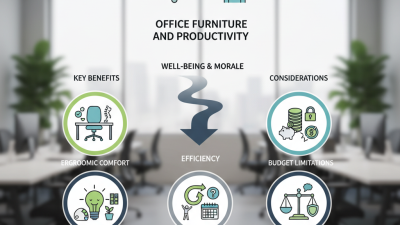
Compare typical planning dimensions for common bench desk types. A personal width of 1,200–1,600 mm and a desk depth of 600–800 mm are widely used planning ranges for office workstations; final dimensions should reflect ergonomics, equipment, circulation, and local requirements.

Choose a two-person bench for focused work and smaller offices, larger back-to-back configurations for team neighborhoods, and sit-stand benches when posture variation and employee flexibility are priorities. Also check cable management, privacy, storage, lighting, accessibility, and aisle clearance before selecting a final layout.

Measuring Your Workspace and Planning Desk Capacity

Measuring Your Workspace and Planning Desk Capacity

A bench desk plan should begin with measurements, not catalog dimensions. Record room length, width, columns, doors, windows, and power points. Leave clear circulation around each workstation. A practical target is 1.5 to 2 meters for primary walkways, depending on traffic and local accessibility requirements.

CBRE’s 2024 Global Workplace Occupancy and Utilization Survey reported peak office use at roughly half of available seats in many workplaces. That figure challenges the old habit of assigning one permanent desk per employee. Still, averages can mislead. Team schedules, confidential calls, and visitors may create sudden demand. Measure actual attendance for several weeks before fixing capacity.

Tip 1: Measure usable floor area, not the entire room.

Tip 2: Mark columns and doors on a scaled floor plan.

Tip 3: Reserve space for monitors, bags, and personal movement.

Tip 4: Calculate seats from peak attendance, not headcount alone.

Tip 5: Add a modest buffer, such as 10 to 15 percent.

Tip 6: Test one bench layout with real chairs and equipment.

Tip 7: Recheck sightlines, acoustics, lighting, and cable access.

Leesman’s 2023 global workplace benchmark drew on more than one million employee responses. It shows that workplace experience depends on practical support, including reliable tools and suitable environments. My planning mistake would be treating capacity as a simple seat count. A smaller layout may look efficient, yet fail during collaboration days. Leave room to adjust.

Evaluating Desk Materials, Durability, and Maintenance

7 Tips to Choose the Best Bench Desk for Your Office

Evaluating Desk Materials, Durability, and Maintenance

A durable bench desk starts with the right material. Solid wood offers repairability, but it can swell near wet areas. High-pressure laminate resists stains and daily abrasion. Powder-coated steel supports long spans and usually needs little care. Check the frame’s load rating and test documentation against ANSI/BIFMA X5.5-2021, which covers desk strength, stability, and durability. Do not trust appearance alone.

Look closely at the edges. Sealed edges prevent moisture from reaching particleboard cores. Reinforced joints reduce movement when several people share one surface. The U.S. Environmental Protection Agency reports indoor pollutant levels can be two to five times higher than outdoor levels. Occasionally, they exceed 100 times. Therefore, request low-emitting adhesives, coatings, and composite panels. Verify technical declarations instead of accepting vague “eco-friendly” claims.

Maintenance should fit real office habits. Use a soft, slightly damp cloth, then dry the surface. Avoid abrasive sprays and standing water. Inspect screws, cable trays, and leveling feet every few months. I once chose an attractive wood veneer without checking its edge seal. It looked excellent, briefly. The damaged corner taught me to inspect hidden details. Repairable parts also matter. The Circularity Gap Report 2024 measured global circularity at only 7.2%, so replaceable panels and reusable frames deserve serious attention. Some specifications remain easy to overlook.

Comparing Ergonomics, Privacy, Storage, and Cable Management

7 Tips to Choose the Best Bench Desk for Your Office

Comparing Ergonomics, Privacy, Storage, and Cable Management

Measure each user before choosing a bench desk. Desk height should let forearms rest comfortably, with shoulders relaxed and feet flat. An adjustable frame helps teams with different body sizes. Keep monitors near eye level, about an arm’s length away. Test the desk with a keyboard, mouse, and notebook in place. Empty showrooms can hide awkward reach distances.

Privacy needs more than a dividing panel. Check the desk’s depth and add modesty screens where conversations or documents require discretion. Leave enough space between workers to reduce shoulder-to-shoulder pressure. Storage should keep daily items within reach without stealing legroom. Consider shallow drawers, vertical shelving, and lockable compartments for sensitive files. Open shelves look tidy at first. They often become crowded.

Cable management deserves a physical inspection. Look for rear channels, under-desk trays, and separate routes for power and data cables. Confirm that outlets remain accessible after installation. Labeling cables can save time during repairs. I once planned a clean layout but forgot the floor socket. The result was a cable crossing a walkway. That mistake changed my checklist. Now I measure outlet locations before ordering. Also inspect edges and joints; small gaps collect dust and frustrate cleaning. A practical trial with real equipment remains more reliable than attractive drawings.

Balancing Budget, Configuration, and Future Office Needs

7 Tips to Choose the Best Bench Desk for Your Office

Balancing Budget, Configuration, and Future Office Needs

Start with real attendance data, not assumptions. Gallup’s 2024 workplace research found that hybrid employees work onsite about 2.6 days weekly. Measure desk demand across busy and quiet days. A full-time layout may waste valuable floor space. A very tight layout may create daily friction.

Set a complete budget before selecting finishes. Include power modules, cable management, privacy screens, installation, and future relocation. Compare the cost per usable seat, not just the desk price. Choose modular frames when teams may expand or shrink. Test one bench before ordering many. Small pilots expose awkward cable paths and noisy conversations. They also reveal whether employees actually share desks comfortably.

Plan for different work modes. Provide enough depth for monitors, notebooks, and short video calls. Add adjustable screens or nearby focus rooms where concentration matters. The 2024 Global Workplace Survey from the Gensler Research Institute identifies individual focus and collaboration as key workplace needs. Treat that finding as a design prompt, not a universal formula. Review occupancy after three months, then adjust the configuration. My own planning mistake would be trusting a perfect spreadsheet over employee behavior. Leave some flexibility. Future needs rarely follow the original plan.