What is Office Furniture and Why is it Important for Your Workspace?

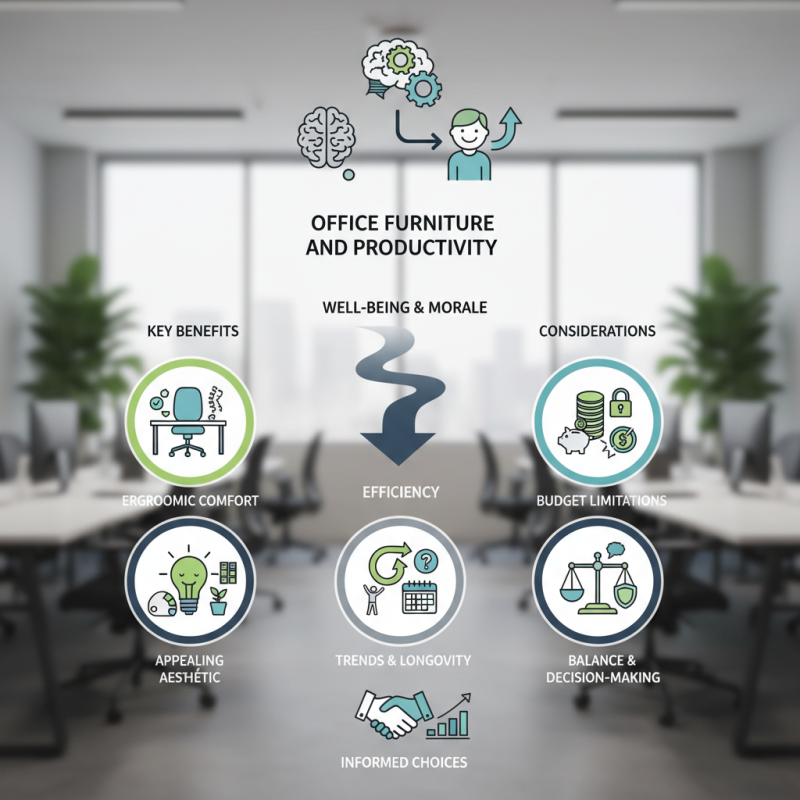
Office Furniture plays a crucial role in shaping a productive workspace. According to Robert E. Smith, a leading expert in workplace design, "The right office furniture can significantly enhance employee efficiency and morale." This insight highlights the importance of choosing the appropriate furnishings for any office environment.

The arrangement and quality of office furniture can affect both comfort and functionality. Consider how an ergonomic chair might reduce back pain during long working hours. Desks at the right height can help maintain good posture, directly influencing overall well-being. Aesthetically pleasing furniture can also create a more inviting atmosphere.

However, selecting office furniture is not without its challenges. Budget constraints may limit options. Additionally, trends can quickly change, making it difficult to choose pieces that will stand the test of time. Reflecting on these issues can help businesses make more informed decisions that balance style, comfort, and practicality.
What is Office Furniture and Why is it Important for Your Workspace?

What is Office Furniture: Definition and Overview

What is Office Furniture and Why is it Important for Your Workspace?

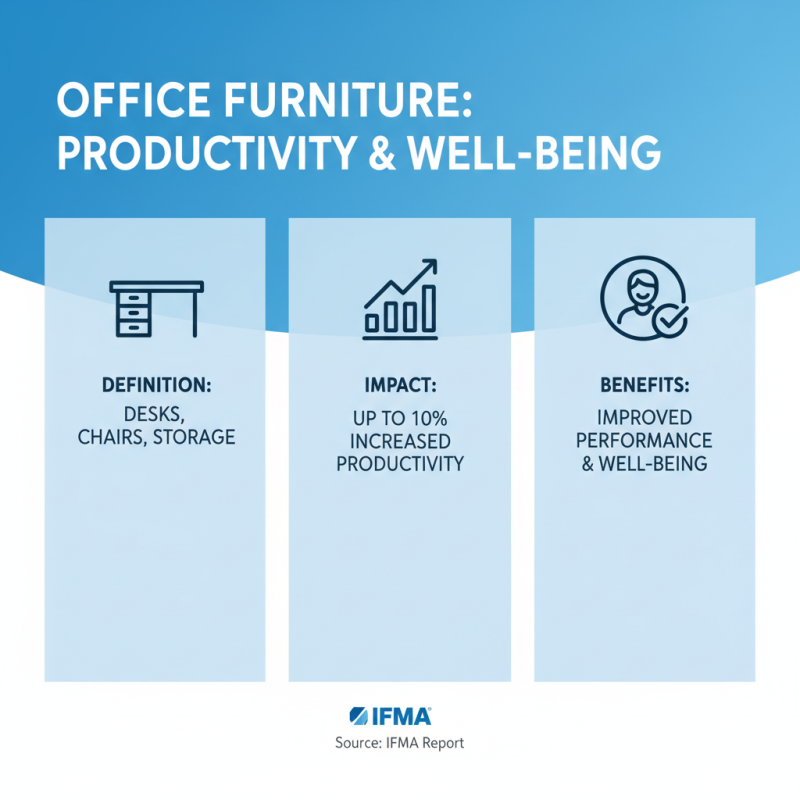
Office furniture plays a crucial role in how a workspace functions and feels. It encompasses various items such as desks, chairs, and storage units. According to a report by the International Facility Management Association, well-designed office furniture can increase employee productivity by up to 10%. Quality furniture is not just about aesthetics; it significantly affects performance and well-being.

Different types of office furniture serve unique purposes. Ergonomic chairs, for example, are designed to support long hours of sitting. A study by the American Journal of Public Health found that poor sitting posture can lead to chronic back pain. Desks that allow for adjustable heights promote movement. This adaptability leads to better focus and less fatigue during work hours.

However, not all offices prioritize good furniture. Many companies still use outdated styles that can hinder efficiency. Ineffective furniture choices may lead to employee dissatisfaction and higher turnover rates. The challenge lies in balancing aesthetics, function, and budget. Investing in quality office furniture is often overlooked but can have long-term benefits for company culture and performance.
Types of Office Furniture: Key Categories and Examples

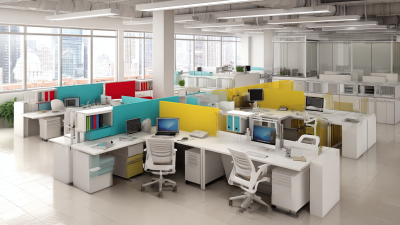
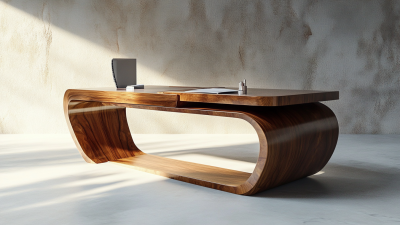
Office furniture plays a crucial role in shaping a productive environment. There are several key categories of office furniture that serve different functions. Desks are essential. They come in various styles, from traditional to modern. The choice of desk impacts employee comfort and efficiency. Studies indicate that ergonomic desks can enhance productivity by up to 20%.

Chairs are equally important. An average employee spends about 1,700 hours annually sitting at their desk. Poor seating can lead to health issues, which ultimately affect work performance. Many organizations are investing in ergonomic chairs. These chairs help reduce strain and improve posture. Moreover, collaborative spaces are increasingly common. Furniture like conference tables and lounge seating fosters teamwork. A report suggests that better collaboration can increase project success rates by 30%.

Storage solutions are also vital. Filing cabinets and shelving units help keep the workspace organized. A clutter-free environment can enhance focus and reduce stress. Research shows that 70% of employees feel more productive in an organized workspace. However, not all companies prioritize these aspects. This oversight can hinder overall workplace effectiveness. Therefore, investing in thoughtful office furniture choices is essential for nurturing a thriving work culture.

The Role of Office Furniture in Employee Productivity

The design and quality of office furniture play a crucial role in shaping employee productivity. Comfortable workstations can greatly influence focus and efficiency. Well-chosen chairs, desks, and lighting create an environment that encourages creativity and reduces fatigue. When employees feel relaxed, they tend to perform better.

Often, businesses overlook the impact of their office setup. A cluttered workspace can lead to distractions. Lack of adequate storage makes it difficult for employees to stay organized. Ergonomic furniture helps prevent discomfort, which in turn minimizes breaks and improves workflow. However, investing in furniture without understanding employee needs can be counterproductive.

Furthermore, timeless design elements contribute to employee morale. A vibrant workspace can inspire collaboration and innovation. Lack of a coherent design may lead to a disjointed atmosphere, affecting teamwork. A balance between aesthetics and functionality is essential. Thoughtful furniture choices reinforce a company's culture while enhancing productivity.

Factors to Consider When Choosing Office Furniture

When selecting office furniture, several factors come into play. Comfort is crucial. An ergonomic chair can enhance productivity and reduce fatigue. A desk with the right height helps avoid strain. Consider the layout of your workspace. Open spaces may benefit from collaborative furniture, while private offices might require more traditional setups.

Durability is another important aspect. Quality furniture withstands daily use and saves money over time. Look for materials that resist wear and tear. Aesthetics also matter; furniture should align with your brand's identity. The right color and style can inspire creativity. Don’t overlook the storage options, either. Clutter can hinder productivity, so effective organization is key.

Budget constraints can complicate choices. It’s tempting to prioritize cost over quality. However, investing wisely in durable pieces proves beneficial long-term. Reflect on your priorities before making final decisions. Sometimes, it’s about balancing multiple needs—function, comfort, and budget, which is no simple task. Ultimately, thoughtful choices in office furniture shape a workspace that inspires and supports productivity.

Maintaining and Upgrading Office Furniture for Longevity

What is Office Furniture and Why is it Important for Your Workspace?

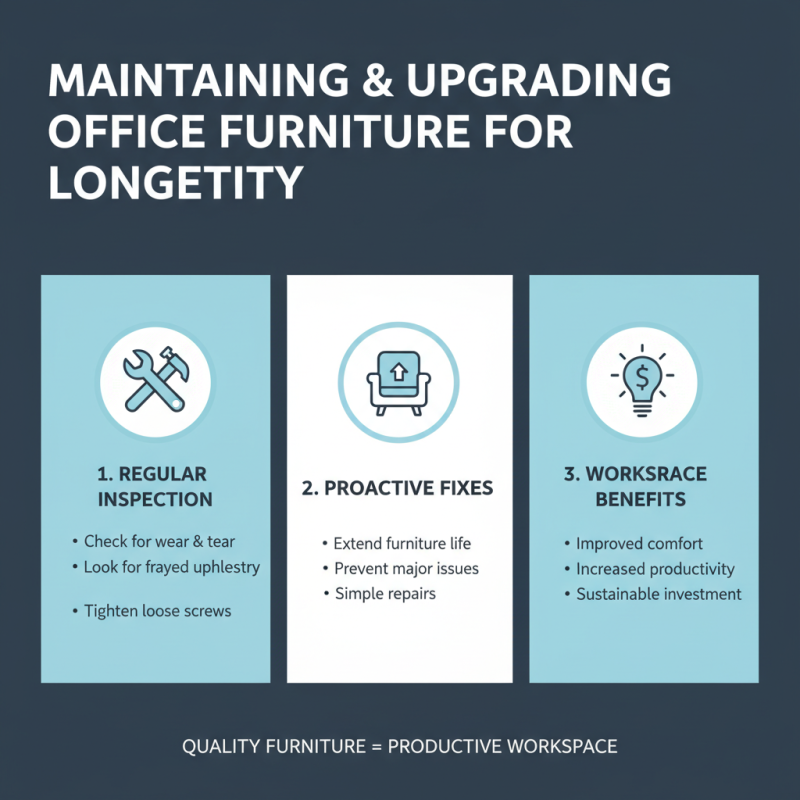
Maintaining and upgrading office furniture is vital for creating a conducive workspace. Quality furniture not only affects employee comfort but also influences productivity. Regularly inspecting furniture for wear and tear is essential. Noticing frayed upholstery or loose screws can prevent major issues later. Simple fixes can extend the life of your chairs and desks.

Investing in ergonomic options can greatly enhance workplace health. However, it’s equally important to keep these items in good shape. A chair that looks good but has a tilted seat loses its purpose. Adjustments should be made promptly. Additionally, consider how often you upgrade. Trends change, and outdated furniture might not reflect your company culture.

Office furniture reflects your brand. Dull or shabby furnishings can create a negative impression. Thus, regular maintenance is not just about functionality; it’s also about aesthetics. Fresh paint or a new cushion can revitalize an older piece. Take the time to assess your workspace regularly. A proactive approach can lead to a more inviting environment for everyone.