Staverton is a British designer & manufacturer of contemporary office furniture.
Call us today: +44 (0)20 3794 1200
©2025 Staverton (UK) Ltd | Terms | Disclaimer | Cookies | Privacy

![]()
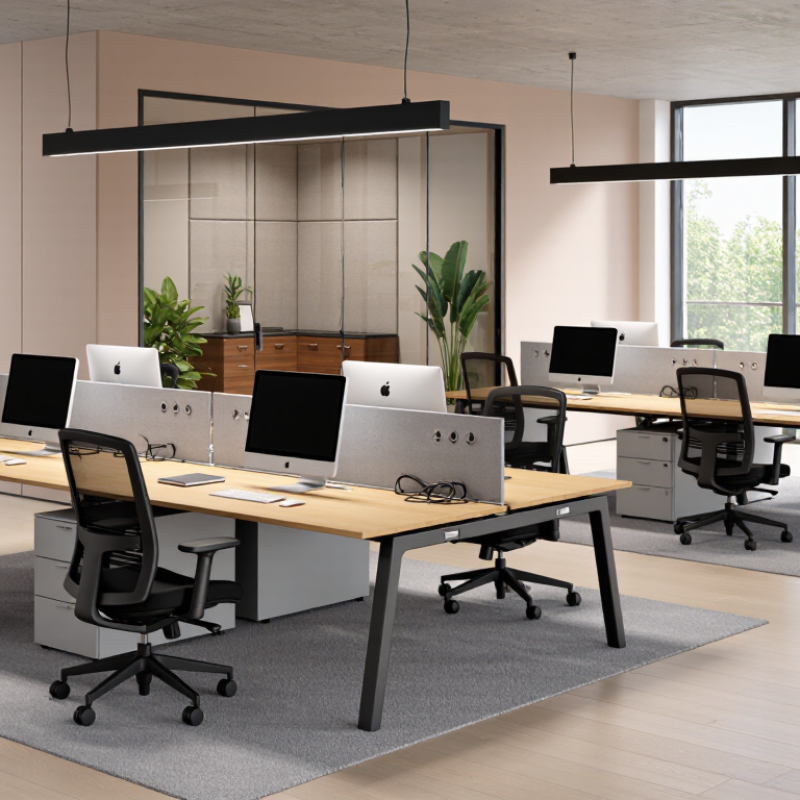
Choosing Office Furniture Solutions is about more than filling a room with desks and chairs. The right choices can support focused work, comfortable movement, and changing team needs. The wrong ones can leave a beautiful office feeling cramped by lunchtime. A chair that looks inviting may still lack useful adjustments. A desk may fit the floor plan but leave too little space for cables, monitors, or notebooks.
Ergonomics researcher Dr. Alan Hedge is often credited with the reminder, “The best posture is your next posture.” That idea points to a practical goal: give people room to adjust, move, and work in different ways. Consider who uses each space, how long they sit, and what tasks they perform. Measure doorways and walkways before ordering. Check materials, warranties, maintenance needs, and whether products can be reconfigured. Small details matter. So do budgets and delivery schedules.
There is no single setup that suits every office. A shared workspace may need durable surfaces and flexible seating; a private room may call for storage and acoustic control. Start with the people who will use the furniture, then compare solutions against clear priorities. These ten tips offer a grounded way to assess comfort, function, quality, and value. Some trade-offs will remain. That is worth admitting. A thoughtful choice is not always the most stylish one, and even careful planning may reveal something you missed.
Before comparing office furniture solutions, look at how people actually use the workplace. Count regular occupants, note shared desks, and identify tasks that need quiet, collaboration, or secure storage. A team handling paper files may need more cabinet space than a mostly digital team. Small detail, big difference. Ask staff where clutter gathers and which rooms feel crowded; their answers can reveal needs a floor plan misses.
Measure the usable space, not just the room’s length and width. Record door swings, windows, columns, radiators, outlets, and built-in storage. Then map desks, chairs, and walkways to scale, leaving room for chairs to pull back and people to pass comfortably. A tape measure and a simple sketch are often enough. Check the narrowest doorway too, so larger pieces can be delivered without awkward surprises. It is easy to overlook power access until desks arrive. I would recheck measurements before ordering; estimates made in a hurry can be confidently wrong. Keep a little flexibility for changing team sizes, but avoid filling every open corner with furniture.
Choosing ergonomic furniture starts with fit, not appearance. A desk should let your feet rest flat and your elbows stay close to your sides while typing. Adjust the chair so your hips sit level with, or slightly above, your knees. Your monitor should be directly ahead, with its top near eye level. OSHA’s Computer Workstations eTool recommends arranging screens and input devices to support neutral postures and reduce awkward reaching. Small adjustments matter. A footrest can help when the desk cannot be lowered, while a monitor stand can prevent hours of looking down.
Evidence also gives this choice practical weight. The World Health Organization reported that low back pain affected 619 million people worldwide in 2020, and projected 843 million cases by 2050. That figure does not mean furniture alone prevents back pain; work habits, health, and movement also matter. Look for a chair with adjustable seat height and lumbar support, then test it for more than a minute. Can you reach the keyboard without lifting your shoulders? Can you lean back without losing support? One imperfect detail: even a well-fitted chair can encourage stillness. Pair it with brief standing or walking breaks, and reassess the setup as tasks change.
Choosing office furniture means balancing materials, style, and durability with the way people actually work. Start by observing the room: a busy reception area needs surfaces that handle frequent cleaning, while a quiet office may benefit from warmer textures. Materials should suit daily use, not just a showroom photograph. Small details matter.
Tip: Test samples in the actual room. Check how finishes look beside existing floors and under both daylight and overhead lighting. A pale fabric may show marks quickly; a textured, darker weave can be more forgiving, though it may feel visually heavy.
For desks and storage, compare edge construction, hardware, and surface resistance. A sturdy frame is useful, but drawers that stick after a few months can undermine the whole purchase. Ask how to clean each material and whether replacement parts are available. Style should feel consistent without making every item identical. Mixing wood tones can work, but I have seen subtle differences look accidental when samples were viewed separately. It is worth checking them side by side.
Tip: Prioritize chairs by adjustability and comfort, then consider upholstery. Employees vary in height and posture, so one attractive chair may not suit everyone. Durability is not only about surviving years; it also means staying comfortable and functional through ordinary workdays.
Treat storage, layout, and technology as one system, not separate shopping lists. Map daily tasks before selecting desks or cabinets. The 2023 Work Trend Index, based on a survey of 31,000 people across 31 markets, found that 68% lacked enough uninterrupted focus time. Create quieter desk zones away from busy walkways, and place shared printers near collaboration areas. Keep paths clear. Store frequently used files and supplies within easy reach; move archive boxes to less accessible cabinets. A floor plan can look efficient on paper and still feel cramped once chairs pull back.
Plan technology around real work habits. Add power access where people sit, meet, and use shared equipment. Route cables through desk channels, and leave room for chargers, docking stations, and screens. Use enclosed storage for spare devices and labeled bins for adapters, so equipment does not spread across work surfaces. Test a sample workstation before ordering furniture for the whole office. Small details matter, but not every team uses space the same way. A fixed layout may need revision after people settle in. Keep some shelves and desk areas adjustable, and ask staff which items they reach for most often.
Office furniture looks affordable when you compare purchase prices alone. That number can mislead. A low-cost chair may need replacement after two years, while a sturdier model may last much longer. Compare the expected lifespan, warranty terms, repair options, and delivery fees before deciding. Ask how often moving parts, such as casters and height controls, need maintenance. Small details matter.
Sustainability also affects long-term value. Look for clear information about material content, repairability, and end-of-life recycling. A desk made with durable, responsibly sourced materials may cost more upfront, but it can reduce waste and replacement costs. Still, environmental claims vary in quality. Request specific documentation rather than relying on vague labels. Measure the room, too. Furniture that blocks a walkway or cannot fit through the doorway creates avoidable costs.
Try key items before ordering, if possible. Sit in the chair for more than a minute; check whether its lumbar support suits different users. For shared workspaces, adjustable desks and easy-to-clean surfaces may serve more people over time. Yet not every premium feature will be used. I once assumed built-in storage would help; it mostly collected spare cables. A little awkward, but useful to remember. Track repair and replacement costs for a year, then compare them with the original estimate. Your numbers may surprise you.
Staverton is a British designer & manufacturer of contemporary office furniture.
Call us today: +44 (0)20 3794 1200
©2025 Staverton (UK) Ltd | Terms | Disclaimer | Cookies | Privacy

![]()
Please enter your details below to access the design files.