Staverton is a British designer & manufacturer of contemporary office furniture.
Call us today: +44 (0)20 3794 1200
©2025 Staverton (UK) Ltd | Terms | Disclaimer | Cookies | Privacy

![]()
Modern offices are changing, but the need for a dependable work surface remains. Furniture Desks now support focused work, video meetings, shared projects, and flexible seating. The right desk can make a room feel calmer. It can also reduce clutter and improve daily movement.
Furniture designer Charles Eames once said, “The details are not the details. They make the design.” His observation fits today’s workplace decisions. Desk height, edge shape, cable control, and surface finish affect comfort more than dramatic styling. A sturdy desk with rounded edges feels different during a long afternoon. A concealed power channel prevents chargers from becoming a tangled warning sign.
Good choices should reflect real working habits. A compact desk may suit a quiet focus room, while a larger modular model can support collaboration. Adjustable-height Furniture Desks may help employees vary their posture, although they cannot fix poor lighting or unsuitable chairs. That assumption deserves scrutiny. No desk solves every workplace problem.
Professional planning also considers durability, maintenance, accessibility, and available floor space. A reliable supplier should explain materials, load limits, warranty terms, and replacement options clearly. These details build trust before installation begins. They also protect budgets over time.
The most effective office desk is not always the most expensive one. It is the one that fits the people, tasks, and room around it. Sometimes, simple works better. Yet preferences differ, and employee feedback should guide the final decision. An informed review of Furniture Desks can reveal practical benefits, overlooked weaknesses, and a more honest path toward a modern office.
Why Choose Furniture Desks for Modern Offices?
Definition and Core Features of Furniture Desks
A furniture desk is a movable workstation designed for writing, computing, meetings, or focused tasks. It usually combines a work surface, supporting legs, and optional storage. Unlike a built-in counter, it can be repositioned when teams, rooms, or work patterns change. This flexibility supports modern offices with shared areas and changing layouts. The definition is simple, but practical quality depends on several details. A desk should support daily work without dominating the room.
Core features begin with proportion and stability. A suitable height keeps the forearms reasonably level during keyboard use. Adequate depth leaves space for a monitor, documents, and natural arm movement. Cable openings reduce clutter and help prevent wires from catching on knees or chair wheels. Rounded edges can improve comfort during long sessions. Strong joints matter too. A beautiful desk that wobbles becomes frustrating quickly.
Materials also influence durability, maintenance, and workplace comfort. A sealed surface resists ordinary spills and is easier to clean. Metal supports can improve strength, while lighter components simplify relocation. Storage may include drawers, shelves, or modest privacy panels. These additions should serve a clear purpose rather than consume valuable legroom. In real office assessments, overlooked details often cause the most trouble. A desk may look efficient, yet feel cramped after several hours. Testing the chair, reach distance, and cable path together can reveal weaknesses before installation.
Furniture desks are practical work surfaces designed to support office activities, equipment, storage, and collaboration. The chart shows representative widths commonly used for different modern office desk formats. Larger work surfaces provide more room for monitors, documents, personal organization, and shared tasks, while compact desks help offices use space efficiently.
Dimensions are typical planning references in centimeters; actual desk sizes vary by workspace design and user requirements.
Furniture desks support modern office work by giving each task a clear physical base. A stable surface holds monitors, notebooks, and shared project materials without creating visual clutter. Cable channels also reduce loose wires around power points. Small details matter.
The 2023 Work Trend Index reported that 68% of workers lacked uninterrupted focus time during the workday. A well-planned desk can create a more reliable focus zone.
Screens, acoustic panels, and modest privacy screens help limit visual distractions. Adjustable-height desks also support posture changes during long computer sessions. However, a standing function alone does not guarantee healthier work. Users still need movement, suitable screen height, and regular breaks.
Modern offices also need desks that adapt quickly. Gallup’s State of the Global Workplace 2024 reported that 53% of remote-capable employees worked in hybrid arrangements. Desks should therefore support individual work, video calls, and occasional team collaboration.
Modular layouts can change as teams grow or projects end. In practice, excessive flexibility may create instability and storage problems. That is an important design weakness.
My assessment is that the best desk system balances movement with consistency. A shared desk should still feel ready, clean, and personal enough for the next user. Clear labeling, accessible power, and simple cleaning routines make that standard easier to maintain.
Furniture desks can give a modern office warmth, structure, and lasting practicality. In daily use, material choice matters more than appearance alone. Solid wood offers natural grain and can withstand years of maintenance. Veneered wood creates a refined surface with lower material use. Powder-coated steel supports heavy equipment and resists everyday scratches. Laminates are practical for shared workstations because they clean easily. Touch the edge before buying. Sharp corners often become annoying during long workdays.
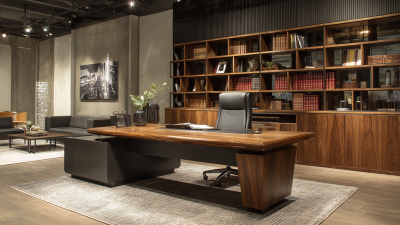
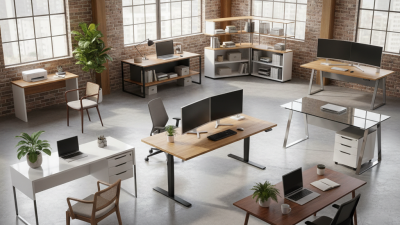
Style should support the office atmosphere and working habits. Minimal desks suit focused spaces with limited visual clutter. Executive forms provide a stronger presence for private rooms. Modular designs work well when teams expand or move frequently. Curved surfaces may improve movement around a desk, although they can reduce usable wall space. That trade-off deserves attention. A beautiful desk is not always an efficient one.
Functional configurations should reflect real tasks. Cable channels keep chargers away from feet and reduce messy surfaces. Height-adjustable frames support alternating sitting and standing positions. Drawers protect documents, but deep storage can steal legroom. Bench systems encourage collaboration, while acoustic screens offer needed concentration. Measure doorways, chair movement, and power access before installation. Small oversights become expensive. Test the desk with a monitor, notebook, and coffee cup, not an empty showroom surface.
Furniture desks shape how people focus, communicate, and manage daily tasks. A well-planned desk gives each employee a clear working zone. Cable channels reduce visual clutter. Drawers keep documents close but out of sight. Adjustable height options can also support healthier posture during long screen sessions.
Productivity depends on more than furniture. Gallup’s State of the Global Workplace 2024 report found that only 23% of employees were engaged worldwide in 2023. A desk cannot solve weak leadership or unclear goals. Still, practical workplace design removes small, repeated frustrations. In my experience, stable surfaces and accessible storage reduce interruptions. Quiet desks help concentrated work, while shared tables support quick collaboration. The result is not always perfect. Some employees may feel exposed in open layouts.
Tips: Match desk types to work patterns. Use larger desks for project teams. Provide compact desks for focused tasks. Leave enough clearance for movement. Test chair and desk height with real users. Do not rely only on showroom impressions. Ask employees what slows them down. Review the layout after several weeks, because actual behavior often differs from the original plan.
Furniture should remain flexible. Teams change, technology changes, and working habits change. A modular desk system can adapt without forcing a complete office redesign. That practical flexibility supports organization and more thoughtful workplace design.
A well-chosen furniture desk can shape how people work, communicate, and store daily essentials. In office planning, I have found that desk size matters more than appearance alone. Measure the room, walking routes, and chair movement before ordering. A 120-centimeter desk may suit focused work, but shared tasks often need more surface space. Check the desk height, edge design, and stability. A wobbling frame quickly becomes irritating during meetings or typing. Cable openings and built-in storage also reduce visual clutter. Still, more storage is not always better. Excess compartments can encourage unnecessary paperwork.
Materials deserve careful attention. Solid surfaces resist daily wear, while textured finishes may hide small scratches. Ask for maintenance guidance and confirm that cleaning products will not damage the coating. For busy offices, rounded corners can reduce accidental bumps near narrow walkways. Adjustable options support different users, but they may cost more and require regular checks. I once focused too heavily on color and underestimated glare from a glossy desktop. That mistake changed how I evaluate lighting and surface finishes.
Tips: Test a sample desk for one full workday. Place a monitor, notebook, lamp, and water bottle on it. Notice what feels crowded. Confirm warranty terms, weight limits, assembly needs, and replacement-part availability. Leave enough clearance for knees and cables. A practical desk should support real habits, not just look impressive in a showroom.
Staverton is a British designer & manufacturer of contemporary office furniture.
Call us today: +44 (0)20 3794 1200
©2025 Staverton (UK) Ltd | Terms | Disclaimer | Cookies | Privacy

![]()
Please enter your details below to access the design files.