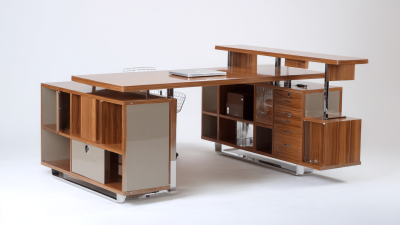
What Are Furniture Desks and How Do You Choose One?
What Are Furniture Desks and How Do You Choose One? This question reaches beyond appearance. Furniture Desks shape posture, movement, concentration, storage, and the visual rhythm of a room. A desk can look elegant in a showroom, yet feel cramped after two hours of writing. That difference matters.
Market data shows why careful selection is increasingly important. Grand View Research valued the global office furniture market at approximately $54.1 billion in 2022. Its report forecasts continued growth through 2030, supported by hybrid work, home offices, and ergonomic demand. Estimates vary between research firms, so readers should check each report’s methodology. Still, the direction is clear. Desks are no longer simple surfaces. They are work tools.
Jim Keane, former Steelcase CEO, described the office as “a tool for work,” rather than merely a destination. His observation also applies to Furniture Desks. A reliable choice begins with real use: monitor depth, keyboard position, cable routes, chair clearance, and available floor space. Measure the room first. It is surprisingly easy to forget.
Materials deserve equal attention. Solid wood offers tactile warmth, while engineered panels can provide stability and lower cost. Adjustable-height models may support movement, but they often need stronger motors and careful assembly. The best desk is not automatically the largest or most expensive. It is the one that fits the user, task, room, and budget without creating new problems. That sounds obvious. It is often overlooked.
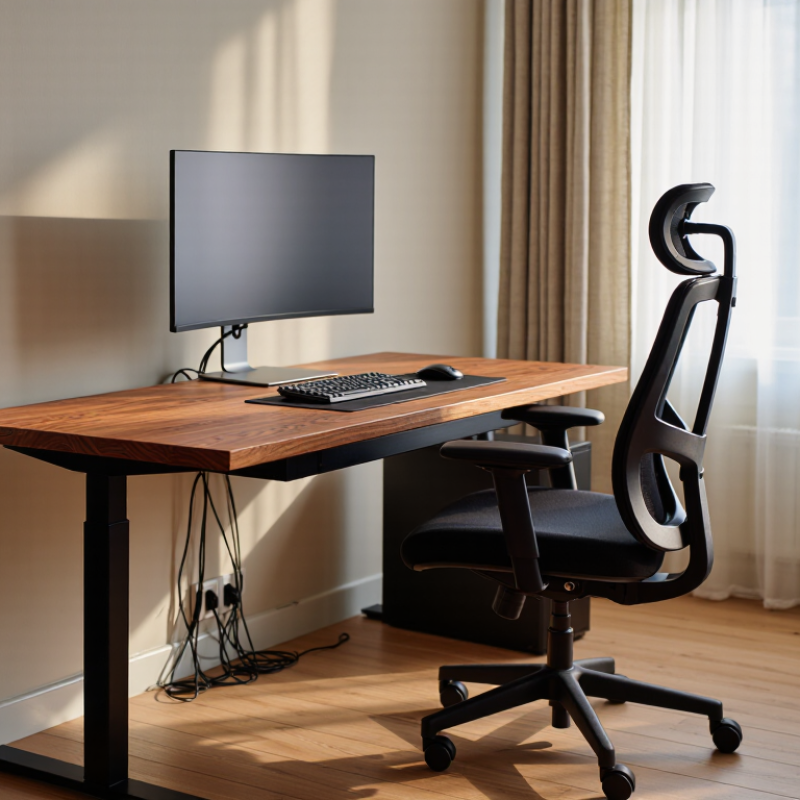
What Is a Furniture Desk?
A furniture desk is a desk designed to function as part of a room’s furniture, not merely as workplace equipment.
It may support writing, studying, organizing papers, or displaying decorative objects. Its design often emphasizes proportion, finish, storage, and visual harmony.
A furniture desk can have wooden legs, drawers, a finished back, or carefully joined panels. It usually looks appropriate in a bedroom, living room, library, or home office.
The term is not perfectly standardized. That can be confusing. In practice, the distinction depends on construction and purpose.
A basic work desk may prioritize efficiency, cable access, and easy assembly. A furniture desk often receives more attention in its surfaces and joinery.
Check whether the desktop feels firm when you press near its edge. Open each drawer and listen for rubbing or uneven movement. Solid wood can age beautifully, while engineered panels may offer better dimensional stability in changing humidity.
Choosing one begins with measuring the room, doorway, and walking space. Allow enough depth for comfortable arm movement and a monitor, if needed. Sit at the desk before buying whenever possible.
Your elbows should rest near a right angle, with your feet flat on the floor. Storage needs deserve honest thought. I once underestimated drawer space and soon used the desktop as a paper pile.
That mistake matters. Also inspect the finish under natural light, because dark surfaces can show dust and scratches quickly.
What Are the Main Types of Furniture Desks?
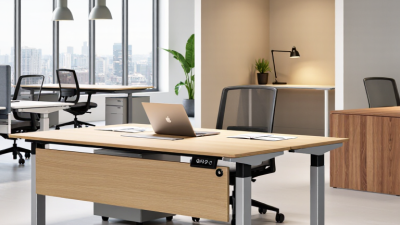
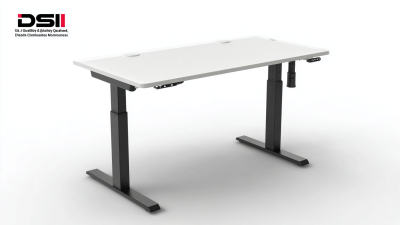
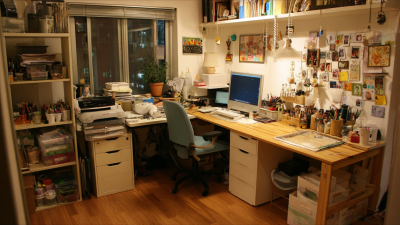
Furniture desks differ by purpose, posture, and available space. A writing desk has a slim top and few drawers, fitting a lamp, notebook, and laptop. A computer desk adds cable openings, monitor space, and sometimes a keyboard tray. Executive desks offer deeper surfaces and storage, but they can overwhelm a small room. Corner and L-shaped desks create separate zones for writing and video calls. Standing desks support alternating positions through adjustable height. No type is perfect.
The U.S. Bureau of Labor Statistics reported that 24% of employed people worked from home on an average day in 2023. That figure explains the demand for practical home-office desks. The global standing desk market was valued at about USD 7.4 billion in 2023, according to Grand View Research. Its forecast also suggests continued growth. However, market growth does not prove that standing desks suit everyone. I still question whether many buyers use the full height range after the first month.
Tips: Measure the room before shopping. Leave at least 90 centimetres behind a chair for movement. Check desk height with your elbows near 90 degrees. For dual monitors, choose a top at least 120 centimetres wide. Test cable routing with real chargers, not empty display models. A beautiful desk with poor storage becomes frustrating quickly.
What Are Furniture Desks and How Do You Choose One?
Main Types of Furniture Desks by Typical Desktop Width
Desk type influences workspace, storage, and room requirements. The chart shows representative desktop widths commonly found in residential and office furniture. Writing desks are compact, while executive and L-shaped desks generally provide more surface area. Standing desks often offer adjustable height without necessarily being wider.
Which Materials and Features Define a Desk?
A furniture desk is more than a flat surface with four legs. Its materials affect strength, comfort, appearance, and daily maintenance. Solid wood offers a warm grain and can be repaired after small scratches. However, it may expand or contract with humidity. That detail matters in rooms near windows or heating systems.
Engineered wood often provides stable dimensions at a lower cost. A durable laminate surface resists coffee rings, pen marks, and regular cleaning. Veneer can look refined, but thin layers may not tolerate deep sanding.
Metal frames improve stability when they use strong joints and adjustable feet. Glass creates a light visual effect, though fingerprints appear quickly. It is also less forgiving when objects are dropped.
Features should match the work, not just the room.
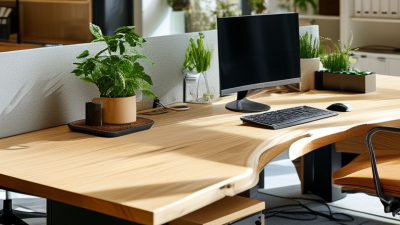
A writing desk may need only a spacious top and one drawer. A computer desk benefits from cable openings, a rear clearance area, and enough depth for comfortable screen distance. Adjustable height can support changing between sitting and standing, but the mechanism should move smoothly and lock securely. Check the desk’s load rating before placing heavy equipment.
Small details matter. Very much.
Run your hand beneath the front edge. A sharp corner can become irritating during long sessions. Measure the chair, legroom, doorway, and available wall space before buying. I would not choose a desk by appearance alone. A beautiful surface can still feel cramped, wobble slightly, or collect dust around poorly designed joints. Sometimes the simplest desk works best, but that judgment deserves testing rather than assumption.
How Do You Choose the Right Desk Size and Style?
A furniture desk is more than a flat work surface. Its size and style should fit your room, routine, and posture. Choosing well starts with measuring the available floor space. Record the room’s width, depth, door swing, and nearby storage. Leave at least 30 inches behind the chair for comfortable movement. This clearance matters in small bedrooms. I once guessed the space by sight, and the chair blocked a drawer.
Match the desktop to your equipment. A laptop usually needs less depth than a monitor, keyboard, and notebook. For a screen setup, a depth of 24 to 30 inches often gives better viewing distance. Keep frequently used items within easy reach. A narrow desk may look elegant, but it can quickly become crowded. Measure your devices, not just their boxes. That small detail is easy to overlook.
Style should support your habits, not only your decor. A rectangular desk suits focused work and fits most walls. An L-shaped design creates separate zones for reading and computer tasks. Adjustable height can help users alternate between sitting and standing. When seated, your elbows should rest near a right angle, with your feet supported. Check the desk in person when possible. Colors and finishes affect mood, but stability affects daily comfort more. My own preference has changed after using a beautiful desk with poor legroom.
How Can You Match a Desk to Your Space and Needs?
A furniture desk should fit your room before it fits your laptop.
The U.S. Bureau of Labor Statistics reported that 22.5% of employed people worked from home on an average day in 2023. That makes desk placement a practical household decision, not a minor decoration choice.
Measure the wall, walking path, and chair clearance first. A compact writing desk suits a narrow bedroom and light daily work. Choose a deeper workstation for two screens, paperwork, or creative tools.
The desk surface should keep your monitor about an arm’s length away. The top should also let your elbows rest near a 90-degree angle. These details follow ergonomic guidance from the Occupational Safety and Health Administration.
Watch the light. A window beside the desk usually reduces screen glare better than a window directly behind it. Cable openings can protect a clean floor, but they may reduce usable surface space. I have found that many people overestimate storage needs and underestimate chair movement. That mistake is easy to make.
Tips:
Measure with masking tape before buying. Leave at least 90 centimetres behind the chair when possible. Check the desk’s height, depth, and weight capacity. If the room serves several purposes, consider a desk with drawers or foldable parts. However, flexible furniture can feel unstable, so test the joints and desktop before committing.