10 Best Office Furniture for Home in 2026
Working from home has changed the meaning of a productive workspace. A spare bedroom, narrow hallway, or sunny corner can now function as a daily office. The right Office Furniture For Home must support comfort, focus, storage, and healthy movement without overwhelming the room.
Grand View Research valued the global office furniture market at approximately $58 billion in 2023. Its report also projects continued growth through 2030, driven partly by flexible and remote work arrangements. However, broad market figures include corporate purchases, not only household buyers. That limitation matters. Home offices need smaller footprints, quieter materials, easier assembly, and better visual appeal.
Comfort comes first.
Ergonomist and Cornell University professor Alan Hedge is widely associated with the practical reminder, “The best posture is always the next posture.” This principle challenges the idea that one expensive chair can solve every problem. A height-adjustable desk, monitor riser, supportive chair, and clear walking space may work better together. The U.S. Occupational Safety and Health Administration also recommends neutral wrist positions, suitable monitor placement, and regular posture changes for computer users.
This guide examines 10 Best Office Furniture for Home in 2026, using ergonomics, durability, dimensions, adjustability, and real household needs. Some product categories overlap. A beautiful desk may lack cable control. A compact chair may feel restrictive after several hours. Those trade-offs deserve attention, not marketing language. The strongest choices are not always the most expensive. They are the pieces that quietly make tomorrow’s work easier.
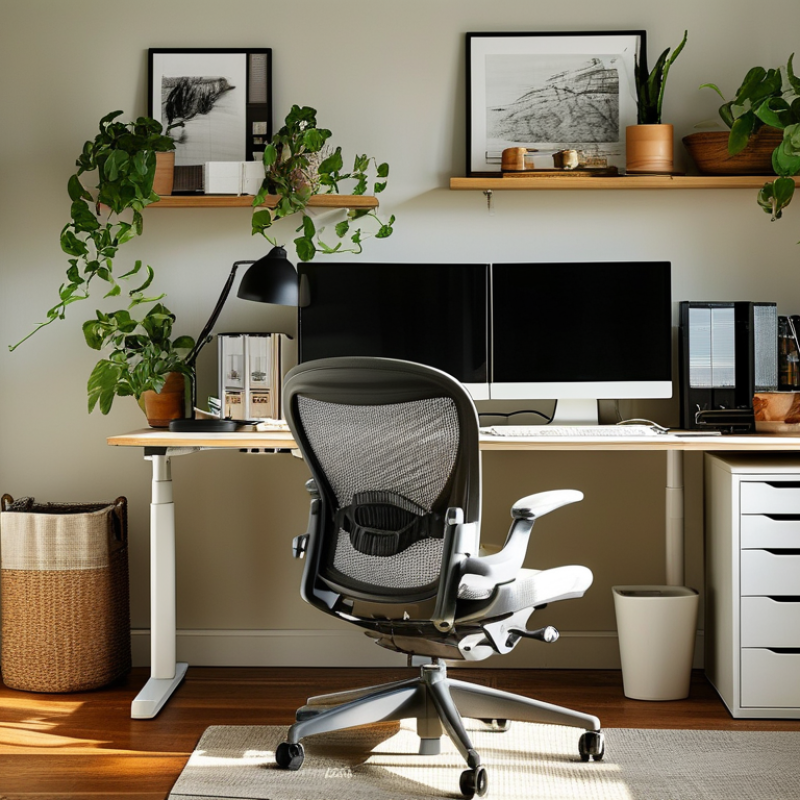
What Makes Home Office Furniture Effective in 2026
What Makes Home Office Furniture Effective in 2026
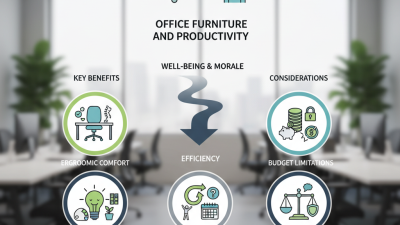
Effective home office furniture must support changing work patterns, not just look attractive. The 2024 Survey of Working Arrangements and Attitudes recorded about 28% of paid workdays at home in 2023. That figure shows why one fixed setup may not suit every worker. A height-adjustable desk supports sitting and standing. A chair with adjustable lumbar support reduces pressure during long calls. The monitor should sit near eye level, with the screen about an arm’s length away. Small details matter.
Ergonomics is only one part of performance. The 2024 American Time Use Survey reported that roughly one-third of employed Americans worked at home on workdays. Home furniture now needs to manage focus, storage, and video communication in limited space. A narrow desk can leave room for movement. Closed storage hides cables and documents. Soft lighting reduces screen glare, although I still find many “ergonomic” rooms too cold and clinical. Comfort is personal. Perfect design is probably a myth.
Tips: Test the chair for 30 minutes before buying. Keep both feet supported. Choose a desk with at least 60 centimetres of usable depth. Leave one clear area for writing. Measure your doorway first. This sounds obvious, but rushed purchases often ignore it. Recheck your posture after one week, because habits can quietly defeat good furniture.
Ergonomic Office Chairs for Comfort and Healthy Posture
A supportive office chair can change how a home workspace feels by mid-afternoon. The best ergonomic models let you adjust lumbar support, seat depth, armrests, and recline tension. These features help your body stay balanced without forcing one rigid posture.
Begin with the seat. Your feet should rest flat, with roughly two fingers of space behind your knees. The backrest should support your lower spine, while the upper back remains free to move. A breathable mesh surface can reduce heat during long sessions. A padded seat may feel softer, but excessive cushioning can limit movement. Comfort is personal.
Small adjustments matter. Raise the chair until your elbows sit near desk height, then keep your shoulders relaxed. Armrests should support the forearms without pushing them upward. Recline slightly when reading, and sit more upright when typing. I still catch myself leaning toward the screen. That habit needs correction, not a stronger chair. Place the monitor at eye level and keep the keyboard close. A footrest can help shorter users maintain stable support. Do not judge a chair after five minutes. Test it through a full work session, because pressure points often appear later. A chair that looks impressive may still leave your hips or shoulders tired. Check its adjustment range, weight capacity, stability, and warranty terms before buying.
Storage, Lighting, and Organization Solutions for Home Offices
A productive home office needs more than a desk and chair. In my workspace, storage, lighting, and organization have made the biggest daily difference. The ten most useful furniture choices include a compact desk, ergonomic chair, rolling drawer unit, tall bookcase, low cabinet, filing chest, monitor stand, task lamp, storage bench, and cable-management shelf.
A desk with two drawers keeps notebooks and chargers within reach. A rolling drawer unit fits beneath it and moves easily during cleaning. Tall shelving uses vertical space, while a low cabinet hides paper supplies and spare equipment.
A filing chest protects important documents from dust. Open shelves look attractive, but they can collect clutter quickly. I still keep fewer items there than planned.
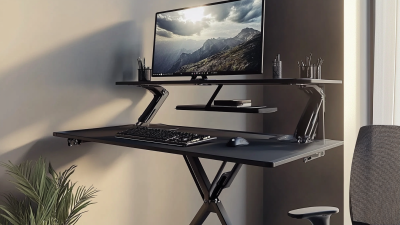
Lighting should support clear work without creating glare. A task lamp with adjustable brightness helps during evening reading. Place it opposite your writing hand when possible. A monitor stand can raise the screen and provide space for a keyboard underneath. For small rooms, a storage bench offers seating and concealed space together. Cable-management furniture also prevents cords from becoming a daily nuisance.
Organization works best when every item has a visible home. Use one drawer for writing tools, another for cables, and a small tray for receipts. Leave some empty space. Overfilled furniture makes even a large office feel stressful. I once bought too many organizers, and they became another layer of clutter. Practical testing matters more than a perfect catalog setup.
How to Choose the Best Furniture for Your Work Style and Budget
Choosing the best home office furniture starts with your work style, not a showroom photograph. A focused writer may need a stable desk, supportive chair, and quiet storage. A designer may value a wide surface, adjustable lighting, and cable control. Remote teams need clear camera space. Keep it practical.
Measure your room before spending money. Leave enough space to pull the chair back comfortably. A desk around elbow height can reduce shoulder tension, while a monitor should sit near eye level. Your feet should rest flat on the floor. Small details matter. If you switch between sitting and standing, an adjustable desk can support that routine. However, movement still matters more than expensive mechanisms.
Set a firm budget, then divide it by daily use. Spend more on the chair if you sit for many hours. Choose durable materials, repairable parts, and storage that fits your actual papers. A compact cabinet may beat a larger unit that becomes cluttered. I once bought a beautiful desk with shallow drawers; it looked efficient, but cables and notebooks quickly escaped onto the floor. That mistake changed my buying process. Comfort, measurements, and maintenance now come before appearance. A modest setup can work well when every piece serves a clear task.