Why Choose Mobile Desk for Your Remote Work Setup?

The rise of remote work has transformed the way we think about our workspace. According to a 2023 report by FlexJobs, over 60% of workers prefer remote setups. As we navigate this new landscape, the concept of the "Mobile Desk" has gained significant traction. This flexibility allows employees to work from various locations, enhancing productivity and creativity.

Investing in a Mobile Desk can lead to improved work-life balance. A study by Global Workplace Analytics indicated that 75% of employees report higher job satisfaction when they have control over their work environment. This innovative solution caters to diverse needs, from professionals who travel frequently to those who simply wish to work from home. The potential for increased focus and well-being is palpable.

However, it’s essential to recognize that not all Mobile Desk setups meet personal or professional needs. Individuals may need to experiment with different layouts or locations. It’s a journey to find the optimal arrangement that enhances both efficiency and comfort. As we embrace this trend, understanding the importance of a well-designed Mobile Desk can make all the difference in boosting productivity while working remotely.
Why Choose Mobile Desk for Your Remote Work Setup?

Benefits of Mobile Desks for Remote Work Flexibility and Comfort

Mobile desks have revolutionized the way we approach remote work. Their design allows flexibility in various settings, catering to different work styles. You can move them from room to room, adjusting your environment to match your mood or task. This mobility encourages a sense of freedom, diminishing the feeling of being tied to one spot.

Comfort is another key aspect of mobile desks. Many are adjustable in height, which helps maintain good posture. A comfortable workspace can increase productivity significantly. You might find that a change of scenery revitalizes your concentration. However, it’s important to reflect on whether these desks truly meet ergonomic needs or simply add visual appeal.

Lastly, consider the storage options available with mobile desks. They often feature built-in compartments for organization. This makes it easier to keep your work essentials close. However, if you require extensive storage, it may become challenging to find a suitable mobile desk. Balancing mobility with adequate storage is a point worth pondering.
Ergonomic Design: How Mobile Desks Promote Better Posture and Health

Remote work has reshaped how we think about our office spaces. Mobile desks are increasingly popular for their ergonomic design. According to the Occupational Safety and Health Administration (OSHA), poor posture can lead to musculoskeletal disorders. In fact, approximately 80% of Americans will experience back pain at some point in their lives. Using a mobile desk can mitigate these issues.

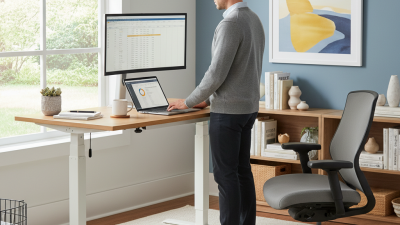
The height-adjustable feature of mobile desks allows users to alternate between sitting and standing. Research from the Centers for Disease Control and Prevention (CDC) shows that standing for just 30 minutes each hour can help improve focus and productivity. Additionally, maintaining an ergonomic setup promotes spinal alignment. It can potentially reduce the time spent in physical therapy by 50%. However, it’s important to adjust the desk to your specific height.

Many remote workers struggle with fatigue and discomfort throughout the day. This can limit productivity and contribute to burnout. Though mobile desks offer flexibility, people need to be aware of their posture. A poorly positioned monitor or keyboard can negate the benefits of an ergonomic design. Regularly evaluating and adjusting your workspace remains essential for optimal health.

Statistics on Remote Work Trends Supporting Mobile Desk Adoption

With the rise of remote work, the benefits of a mobile desk setup are becoming increasingly evident. Statistics show that over 70% of remote workers report higher productivity levels when they can customize their workspace. This flexibility allows individuals to create an environment that fosters creativity and focus. Mobile desks can easily adapt to various locations, making work feel less isolated and more dynamic.

However, not all workers find it easy to embrace a mobile setup. Some struggle with distractions in non-traditional workspaces. Additionally, the need for reliable technology and internet access can pose challenges. Still, the benefits often outweigh these drawbacks. According to studies, employees who use mobile desks experience 30% less stress and enjoy their work more than those in rigid settings. It’s a compelling reason to consider a mobile approach for consistent engagement and well-being.

Cost-Effectiveness of Mobile Desks: Value Over Traditional Office Solutions

The rise of remote work has prompted a reevaluation of office setups. Mobile desks have gained attention for their cost-effectiveness compared to traditional office solutions. A recent survey by Global Workplace Analytics states that companies can save an average of $11,000 per year for every employee who works remotely, mainly through reduced overhead costs.

Mobile desks offer flexibility that permanent office furniture cannot. They often come at a fraction of the cost of a traditional office setup. Reports show that investing in mobile or adjustable workstations can lead to a 30% increase in employee productivity. Workers appreciate the ability to customize their workspace. However, some might find it challenging to adjust to a less structured environment.

Adapting to mobile desks is not without its challenges. Some employees may struggle with the lack of a dedicated workspace, affecting their focus. Data from the Harvard Business Review indicates that 43% of remote workers report distractions being a significant hurdle. Yet, it’s clear that the advantages of mobile desks often outweigh these concerns, especially in a rapidly changing work landscape.

Cost-Effectiveness of Mobile Desks vs Traditional Office Solutions

This chart illustrates the average costs of mobile desks versus traditional office solutions. As shown, mobile desks offer a significantly lower cost, making them a more economical option for remote work setups.

Enhancing Productivity: The Role of Mobile Desks in Remote Work Efficiency

Mobile desks have become pivotal in remote work environments. Research shows that 77% of remote workers find a dedicated workspace boosts their efficiency. A mobile desk allows flexibility, adapting to various locations within the home, which can increase focus and motivation. According to a study by the Global Workspace Organization, flexibility in workspace design can enhance productivity by up to 30%.

When setting up a mobile desk, consider ergonomics. Arrange your monitor at eye level to prevent strain. It may seem minor, but proper posture can significantly impact overall comfort and productivity. Ensure good lighting to reduce fatigue, as reports indicate that poor lighting can decrease productivity by 30%.

Avoid clutter on your mobile desk. A clean workspace fosters creativity and focus. It can be challenging to keep everything organized. Create designated spaces for essential items. This practice reduces distractions and helps you stay on task. Remember, a streamlined workspace can lead to clearer thinking and more efficient work patterns.

Why Choose Mobile Desk for Your Remote Work Setup? - Enhancing Productivity: The Role of Mobile Desks in Remote Work Efficiency

Feature Benefit Impact on Productivity
Portability Easily relocate to different spaces Increases flexibility and comfort
Adjustable Height Customizable for sitting or standing Promotes better posture and reduces fatigue
Space-saving Design Maximizes available space Enhances organization and focus
Integrated Storage Keeps work essentials within reach Improves efficiency in task management
Aesthetic Appeal Enhances workspace decor Boosts morale and motivation