2026 Top Scoop Litter Types for Global Buyers

Choosing the right Scoop Litter in 2026 requires more than comparing clumping speed or package prices. Global buyers now examine material safety, dust control, odor performance, moisture absorption, and supply consistency. A litter that works well in a dry warehouse may behave differently in a humid coastal market. Small details matter.

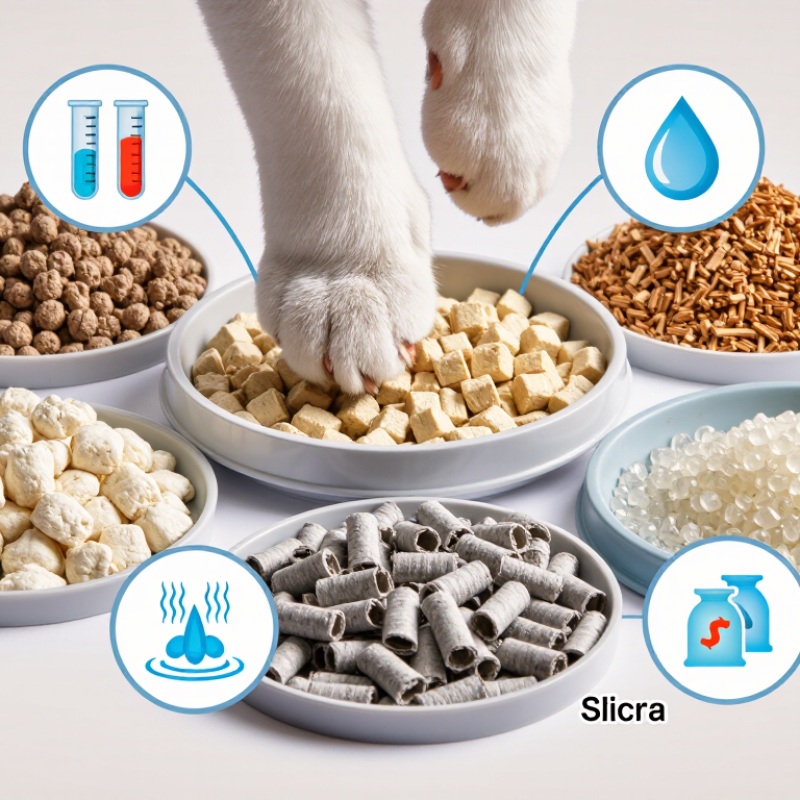
This guide reviews popular Scoop Litter types, including bentonite clay, tofu, cassava, wood, paper, and silica options. Each type has practical strengths and visible limitations. Clay often forms firm clumps, while plant-based litter can offer lighter handling and renewable sourcing. Wood and paper may suit buyers seeking different textures or lower dust levels. However, product performance depends on formulation, granule size, packaging, and storage conditions.

Reliable evaluation should include laboratory information, batch records, safety documentation, and realistic user testing. A sample should be tested in an actual litter box, not only judged from a supplier photograph. Check tracking, odor after several days, paw carry, and how easily the clumps release from the tray. Packaging also deserves attention. Torn bags, weak seals, and moisture exposure can damage an otherwise capable product.

No single formula wins everywhere. That assumption needs testing. Buyer expectations, local climate, retail positioning, and transport costs can change the final decision. This overview aims to support careful comparison through practical observations and transparent criteria. Some results may remain imperfect, because cats can reject a texture without warning. Reliable sourcing means accepting that uncertainty and reducing it with evidence.
2026 Top Scoop Litter Types for Global Buyers

Clumping Litter Basics and Its Main Material Categories

Clumping litter forms a removable mass when liquid contacts an absorbent binder. Most commonly, that binder is sodium bentonite clay. It expands, traps moisture, and leaves cleaner surrounding granules. The process reduces full-box changes and supports easier daily scooping. However, clumps can break when they are too wet or removed too quickly. Small fragments then remain beneath the surface.

Material choice shapes performance, weight, dust, and disposal expectations. Clay usually offers strong clumping and broad supply availability. Silica gel absorbs liquid into porous crystals and controls odor, but many crystal products are non-clumping. Plant-based options use corn, wheat, wood, grass, or paper fibers. They may feel lighter and renewable, yet their clumps can soften in humid storage. Buyers should inspect particle size, moisture resistance, dust testing, and packaging integrity.

Grand View Research reported a global cat litter market value of approximately USD 4.2 billion in 2023, with continued growth expected through 2030. Its market analysis identifies clay, silica, and biodegradable materials as major categories. Mordor Intelligence also describes clumping products as a significant segment within the wider market. These reports indicate demand, not automatic quality. I have seen attractive “natural” claims hide weak wet strength. That deserves skepticism. Global buyers should request independent test results, not rely on appearance alone. Local waste rules and transport conditions also matter, especially for heavy clay products.

How Scoopable Litter Types Differ in Absorption and Odor Control

For global buyers, scoopable litter performance depends on absorption speed, clump strength, and odor control. Bentonite clay usually absorbs urine quickly and forms firm clumps. This makes daily removal easier. However, dusty formulas may be unsuitable for sensitive households. Plant-based litter, made from tofu, pea fiber, or cassava, often feels lighter and produces softer clumps. It can control fresh urine odor well, but weak clumps may break during scooping. Silica-based granules absorb moisture differently. They trap liquid inside the crystals and reduce surface dampness. Their odor control depends heavily on regular stirring and waste removal.

Tips: Test a small quantity before placing a larger order. Check clump hardness after ten minutes. Observe dust near the box. In humid climates, sealed packaging and moisture-resistant storage are essential. A deeper litter layer may improve absorption, but excessive depth can increase waste. Keep the box dry. Remove solid waste daily. Replace saturated material before odor becomes obvious.

My early assumption was simple: stronger clumps always meant better litter. That is not fully accurate. A very hard clump may waste more unused material around it. Softer plant fibers can perform efficiently when the box is cleaned consistently. Odor also comes from wet surfaces, bacteria, and poor ventilation. No litter type wins in every home. Buyers should compare absorbency, dust level, ingredient consistency, and disposal expectations together. Small household trials often reveal more than attractive specifications.

2026 Top Scoop Litter Types for Global Buyers - How Scoopable Litter Types Differ in Absorption and Odor Control

Comparative guide based on the typical properties of commonly sold litter materials. Performance varies with particle size, formulation, moisture level, ventilation, cleaning frequency, and cat usage.

Litter Type Main Material Absorption Performance Odor Control Scoopability Dust Potential Tracking Potential Environmental Profile
Clumping Clay Sodium bentonite clay Very high
Forms a firm clump around urine, making liquid removal efficient.
High
Good moisture control; odor reduction is stronger when combined with activated carbon or other odor absorbers.
Excellent
Usually produces cohesive clumps that are easy to remove.
Medium to high, depending on processing and granule size. Medium; fine particles can adhere to paws and be carried outside the box. Mineral-based and generally not biodegradable; disposal and mining impacts should be considered.
Silica Gel Crystals Porous amorphous silica Very high
Absorbs and retains substantial liquid within the crystal structure, but urine solids remain for scooping.
Very high
Excellent moisture reduction and generally strong odor control when crystals are stirred regularly.
Moderate
Usually scoopable for feces; saturated crystals are removed or replaced rather than formed into clumps.
Low to medium, depending on crystal shape and manufacturing quality. Low to medium; larger crystals usually track less than fine granules. Not biodegradable in normal household conditions; lightweight per unit of liquid absorbed.
Wood Pellets Compressed sawdust or wood fiber High
Pellets break down into damp sawdust as they absorb liquid.
Moderate
Wood may provide a natural scent, but odor control depends strongly on prompt solid-waste removal.
Moderate
Feces are easy to scoop; wet material may require a sifting tray or careful removal.
Low, although broken-down pellets can create fine particles. Low; large pellets are less likely to cling to paws. Renewable and commonly biodegradable when made from untreated wood; disposal rules vary by location.
Paper Pellets Recycled paper fiber Moderate to high
Absorbs liquid without forming the firm clumps associated with bentonite clay.
Moderate
Low dust and low fragrance; odor control relies mainly on absorption and frequent cleaning.
Moderate
Solid waste is scoopable, while saturated pellets may soften or break apart.
Low, making it suitable for many dust-sensitive households. Low; pellets are relatively large and lightweight. Often made from recycled fiber and biodegradable, subject to additives and local disposal requirements.
Tofu or Pea-Fiber Clumping Plant fiber from soybean, pea, or similar legumes High
Plant fibers absorb liquid and typically form lightweight clumps.
Moderate to high
Good moisture control; some products include natural carbon or other odor-absorbing ingredients.
Very good
Clumps are generally easy to lift, though very wet clumps can be softer than clay.
Low to medium, depending on granule durability and handling. Low to medium; lightweight granules may scatter if the litter mat is not effective. Plant-based and commonly biodegradable; composting or flushing suitability must be confirmed locally and product by product.
Corn or Wheat Clumping Processed corn, wheat, or grain fiber High
Forms clumps through the interaction of plant starches and absorbed liquid.
Moderate to high
Good moisture management, with performance affected by particle size and cleaning frequency.
Very good
Usually offers easy clump removal with relatively low litter-box weight.
Low to medium, depending on milling and granule stability. Medium; lightweight particles can be tracked or scattered around the box. Plant-based and generally biodegradable; agricultural sourcing and local disposal guidance should be reviewed.
Coconut-Based Litter Processed coconut husk or coir fiber Moderate
Fibrous particles absorb moisture but may not create firm clumps.
Moderate
Natural fiber helps manage moisture, while odor performance depends on ventilation and cleaning.
Moderate
Solids are scoopable; wet fiber may need more frequent full changes.
Low to medium, depending on fiber length and processing. Medium; lightweight fibrous pieces may be carried from the box. Renewable agricultural by-product and generally biodegradable when untreated.
Grass-Seed Fiber Processed grass-seed fiber High
Fine plant fibers can absorb liquid and form relatively compact clumps.
Moderate to high
Effective moisture control with little reliance on heavy fragrance.
Very good
Lightweight clumps are typically easy to remove.
Low to medium, depending on particle fineness. Medium; fine, lightweight granules may be tracked. Plant-based and generally biodegradable; confirm disposal instructions before flushing or composting.

Rating key: “Very high” and “excellent” indicate strong typical performance within the listed category, not a guaranteed result for every product. For global purchasing decisions, also evaluate moisture resistance during shipping, packaging integrity, local waste regulations, ingredient transparency, dust testing, and compatibility with automatic litter boxes.

Comparing Clay, Plant-Based, Silica, and Mineral Scoop Litter

2026 Top Scoop Litter Types for Global Buyers

Comparing Clay, Plant-Based, Silica, and Mineral Scoop Litter

Clay scoop litter remains popular because it forms firm clumps quickly. This makes daily cleaning simple, even in multi-cat homes. In practical use, the clumps should stay solid when lifted. Weak clumps can leave wet pieces behind. Clay is often affordable, but its weight increases shipping costs and storage demands. Dust levels also vary between products, so buyers should inspect the material description carefully.

Plant-based litter uses materials such as wood, corn, wheat, or other renewable fibers. It usually feels lighter and may offer a softer texture for sensitive paws. Some formulas control odor well, while others become damp faster. I would test a small bag first. Natural ingredients do not guarantee better performance, and moisture can cause uneven clumping. Supply consistency may also differ between regions.

Silica litter absorbs liquid and can remain visually dry for longer periods. It is lightweight and often needs less frequent full replacement. However, some cats dislike its harder crystals or unfamiliar sound. Mineral scoop litter can provide strong absorption and firm clumps, depending on its mineral blend. Check particle size, dust control, and disposal guidance before purchasing. Global buyers should compare local waste rules, climate, packaging strength, and transport conditions. Humid storage can change performance. That detail is easy to overlook.

Key Buying Factors for Global Markets in 2026

Global buyers are reassessing scoop litter through performance, logistics, and local habits. The APPA 2025–2026 National Pet Owners Survey reports 49.6 million U.S. households own cats. That scale makes reliable odor control commercially important. Yet U.S. preferences cannot represent every market.

Clumping clay remains attractive because it forms tight, easy-to-scoop waste. Its weight can increase freight costs, especially across long routes. Silica litter offers strong moisture control, but buyers should examine dust levels and disposal guidance. Paper and wood-based litters are lighter and may support sustainability claims. However, absorbency can vary in humid climates. Regional testing matters.

Very practical details matter.

Grand View Research estimates the global cat litter market will continue growing through 2030, supported by urban pet ownership and premium product demand. Buyers should compare absorption time, tracking, package durability, and usable volume. A torn bag in a wet warehouse creates avoidable loss. Packaging should also show clear material, weight, batch, and disposal information.

The European Pet Food Industry Federation reported more than 100 million European households owned pets in 2023, illustrating the region’s market depth. Still, regulatory expectations differ by destination. Avoid unsupported claims such as “fully biodegradable” without evidence. Independent laboratory tests can verify moisture retention, dust generation, and odor performance. I would not choose one type globally. That assumption needs testing. Climate, household size, waste systems, and price sensitivity can change the best purchase decision.

Selecting the Right Scoop Litter for Cats, Homes, and Regions

2026 Top Scoop Litter Types for Global Buyers

Selecting the right scoop litter depends on your cat, home, and regional conditions. Clumping clay usually forms firm, easy-to-remove balls and suits multi-cat households. However, some varieties create dust, which may bother sensitive cats or settle on dark furniture. Plant-based litter, made from materials such as tofu or corn, can feel lighter and offer a softer scent profile. Its clumps may weaken in humid rooms. Wood and paper options can reduce tracking, but their scoopability varies. There is no perfect choice.

Home design matters too. A small apartment may need strong odor control and low tracking. A spacious house may prioritize coverage and cost. In warm, humid regions, test clump strength before buying in bulk. In dry climates, monitor dust around the tray. Local waste rules also differ, so check disposal guidance before flushing or composting litter. Never assume a “natural” label guarantees safe disposal.

Tips: Place the tray in a quiet, ventilated area. Change types gradually over seven to ten days. Watch for fewer visits, wet paws, or avoidance. These signs may reflect texture, fragrance, tray location, or health concerns. Scoop daily and wash the box regularly. Even careful buyers can overlook the cat’s preference. Let the cat’s behavior challenge your first decision.

2026 Top Scoop Litter Types for Global Buyers

Selecting the right scoop litter for cats, homes, and regions

The chart compares common scoopable litter materials using practical 1–5 ratings: odor control, dust control, and renewable material content. Mineral-based litter generally offers strong odor control, while wood, paper, and plant-based litter are usually better choices for buyers prioritizing renewable inputs. Actual performance varies with formulation, particle size, ventilation, humidity, and cleaning frequency.