Staverton is a British designer & manufacturer of contemporary office furniture.
Call us today: +44 (0)20 3794 1200
©2025 Staverton (UK) Ltd | Terms | Disclaimer | Cookies | Privacy

![]()
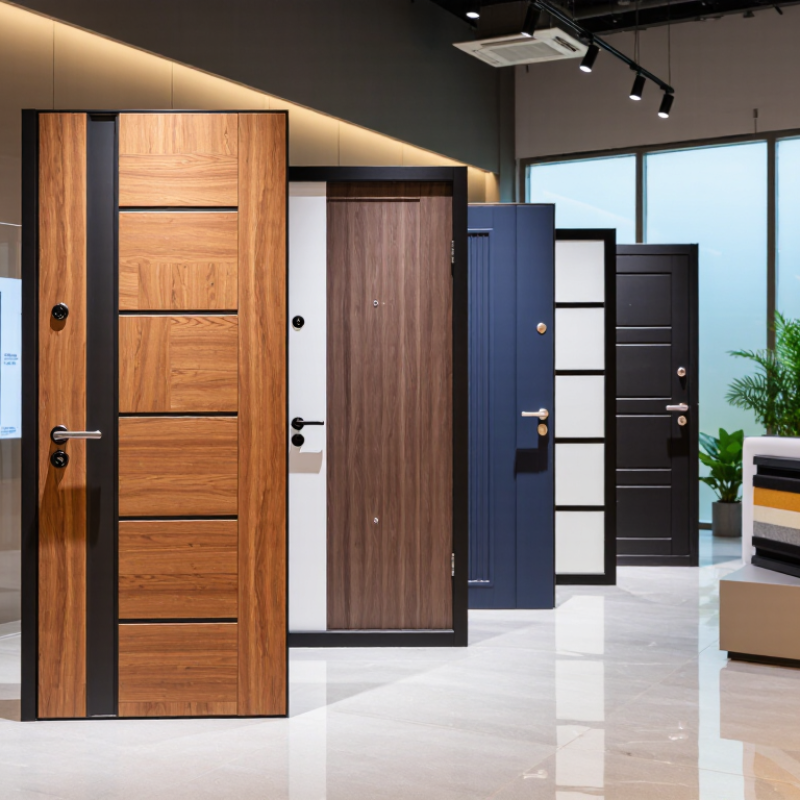
Choosing among China’s leading Fiberglass Front Doors manufacturers takes more than comparing catalog photos. A convincing finish matters, but so do the door’s core construction, frame compatibility, weather seals, glazing options, and hardware. Small details can affect installation and long-term performance. A sample corner or technical drawing may reveal more than a polished showroom image.
This guide explores how buyers can assess manufacturers without treating “top” as a guaranteed ranking. It looks at production experience, customization, quality-control processes, export support, and the documentation suppliers can provide. Ask for clear specifications, relevant test reports, finish samples, and references for comparable projects. Then compare lead times and packaging details, especially if doors will travel long distances. Those checks help distinguish a capable factory from a persuasive sales page.
There is no perfect checklist. Requirements differ by climate, building design, and budget, and published claims may not tell the whole story. That deserves a second look. The sections ahead offer practical questions for evaluating Chinese suppliers and matching their products to a project. Use them as a starting point, then verify important details directly with each manufacturer before placing an order.
Fiberglass front doors combine a molded outer skin with an insulating core, often polyurethane foam. The skin can imitate wood grain, but it does not need the same repainting schedule as many wood doors. In daily use, the difference shows around the entry: rain beads on the surface, and a well-fitted door closes without a heavy metallic clang. Performance still depends on installation.
Thermal ratings offer a useful comparison. ENERGY STAR’s Version 7.0 criteria set a maximum U-factor of 0.17 Btu/h·ft²·°F for qualifying opaque residential doors. A lower U-factor indicates less heat transfer. The National Fenestration Rating Council explains that its labels report whole-product ratings, so compare the tested door assembly rather than judging insulation from the material alone. Glass area, frame design, weatherstripping, and the threshold can all affect comfort.
Fiberglass resists rust and is less prone to swelling than wood, yet it is not damage-proof. A sharp impact can crack its surface, and neglected seals can still let drafts in. Check the frame, hinges, sweep, and weatherstripping—not just the slab. Details matter. One practical drawback is that darker finishes may absorb more sun, so placement and exposure deserve attention. A good specification sheet helps, though real installation quality can disappoint.
China’s fiberglass door manufacturing industry combines composite materials, automated production, and hands-on finishing. Many factories shape fiberglass skins in molds, then bond them to insulated cores. This construction can resist moisture and everyday dents better than some wood doors. Quality still varies.
Production details matter. Check how manufacturers control skin thickness, core bonding, edge sealing, and surface coating. Ask whether sample doors undergo checks for warping, finish consistency, and hardware alignment. A door may look smooth under showroom lights but reveal uneven texture in daylight. That happens.
Tips: Request a written specification and a finished sample. Confirm dimensions, color, glazing, frame material, and packaging before production. Ask how the supplier handles defects and replacement parts. Also clarify the intended climate; heat, humidity, and direct sun can affect finishes over time. Be cautious with broad durability claims unless testing details are available. Even careful inspection cannot predict every installation issue. The frame and sealant matter too.
Typical Components in a Fiberglass Entry Door
A common fiberglass door design has two molded skins surrounding an insulating core, supported by a perimeter frame. This illustrates a typical product construction—not China’s production or market-share data; designs vary by model.
A reliable manufacturer should provide test reports for the exact door configuration, not just a brochure showing a laboratory sample. Ask for air-leakage, water-penetration, structural-pressure, and thermal-performance results from an independent testing laboratory. Check that the tested size, glazing, frame, and weatherstripping match your order. Small differences matter. A heavy glass insert can change performance.
The U.S. Department of Energy estimates that heat gain and loss through windows account for about 25–30% of residential heating and cooling energy use. This figure is not a door-performance rating, but it shows why glass choice and perimeter sealing deserve attention. Request documented U-factor and air-leakage figures, plus details on the skin, core, corner construction, and finish warranty. Ask how the factory checks dimensions and seals before packing. A polished sample is reassuring, but it does not prove consistent production. I would still want to see recent inspection records.
Tips: Request a current test report and a written quality-control checklist. Compare like with like, including frame and glass options. If answers stay vague, pause. Better evidence beats a confident sales pitch.
Leading fiberglass front door manufacturers in China are distinguished by process control, not polished catalogs. Many produce pultruded fiberglass skins bonded to insulated cores, then machine, seal, and finish each door for local climate requirements. Ask suppliers for documented U-factor, air-leakage, and water-penetration results, plus batch-level quality records. A showroom sample proves little. Request production-line photos and inspect a finished unit’s corners, hinges, and weather seals.
The 2023 Global Status Report for Buildings and Construction, published by UNEP and GlobalABC, estimates that buildings used 34% of global energy in 2022. That figure is not a door-performance rating, but it explains why insulation and airtight installation deserve scrutiny. Compare test methods and laboratory reports, rather than relying on broad claims such as “energy saving.” For Chinese suppliers serving export markets, confirm that specifications match the destination’s climate and testing requirements. Fiberglass can resist moisture and corrosion, yet poor bonding or uneven curing can still cause trouble. It is easy to overlook the boring checks. Don’t. A supplier’s repeatable test data matters more than a striking finish.
Choosing a manufacturer starts with the project conditions, not a glossy sample. Measure the rough opening, note sun exposure, and record wind-driven rain or salty air. Then ask for the exact door construction, frame material, finish system, and hardware options. A showroom sample may look convincing. It can still hide weak edge sealing or a finish that struggles in direct afternoon sun.
Request test documentation for the complete door assembly, not just the fiberglass skin. Ask about air leakage, water penetration, structural performance, and the laboratory or standard used. The U.S. Department of Energy’s Energy Saver guidance estimates that windows account for 25–30% of residential heating and cooling energy use; that figure is not door-specific, but it shows why openings and installation deserve scrutiny. Compare NFRC-listed U-factor data where available, and check whether the rating applies to the precise configuration being quoted. Ask for installation instructions, warranty exclusions, replacement-part availability, and realistic lead times. Get details in writing.
Look closely at the corners, weather seals, and threshold on a physical sample. Details matter. Ask how color consistency is checked across production batches, especially for multi-door projects. A perfect sample can mislead. I would also ask the manufacturer to explain what happens when a slab arrives scratched or out of square; vague answers are useful warning signs. Verify references from projects with similar exposure and usage, rather than relying only on polished photos.
Manufacturer selection comparison framework. Request project-specific specifications and supporting documents; performance varies by door design, size, glazing, frame, and installation.
| Evaluation dimension | What to request | Evidence to verify | Project comparison note |
|---|---|---|---|
| Door construction | Specify the door-skin material, core type, reinforcement, frame material, and available slab thicknesses. | Product drawings, cross-section details, and a written bill of materials for the quoted configuration. | Compare the same construction and thickness across quotations. |
| Thermal performance | Request the declared or tested U-factor for the complete door assembly, with units and test configuration. | A test report or technical datasheet showing the tested size, glazing, frame, and calculation or test method. | Lower U-factor indicates less heat transfer; compare equivalent assemblies and applicable local requirements. |
| Air, water, and structural performance | Ask for tested air leakage, water penetration, and structural-load results where these are required for the project. | Test reports identifying the applicable standard, laboratory, product configuration, and achieved results. | Match the test method and performance requirements to the destination market and exposure conditions. |
| Sizes and handing | Confirm slab and frame dimensions, rough-opening guidance, single or paired doors, swing direction, and tolerance limits. | Dimensioned shop drawings and written confirmation of the project-specific opening and handing schedule. | Check that every quoted size fits the project schedule; do not assume dimensions are interchangeable. |
| Finish and exterior exposure | List available colors, textures, paint or stain options, finish system, and suitability for the intended exterior exposure. | Physical finish samples, care instructions, and written finish coverage or warranty terms. | Review samples in the project’s lighting and confirm maintenance requirements before approval. |
| Glazing and hardware | Specify glazing type and configuration, lock preparation, hinges, threshold, weather seals, and included hardware. | Hardware schedule, glazing specifications, product data, and a sample or prototype when needed. | Compare like-for-like inclusions; confirm compatibility with local security and accessibility needs. |
| Quality control and traceability | Ask how incoming materials, dimensions, assembly, finish, and final packing are inspected and recorded. | Inspection checklist, sample inspection records, corrective-action process, and batch or order identification method. | Agree on inspection points and acceptance criteria before production begins. |
| Customization and minimum order | Confirm custom sizes, colors, panel designs, glazing, hardware preparation, sample availability, and minimum order quantity. | Written quotation listing options, applicable surcharges, sample charges, and minimums for each configuration. | Separate standard options from custom work to make quotations comparable. |
| Production and delivery schedule | Request estimated sample, production, inspection, and dispatch dates, plus the assumptions behind each lead time. | A dated production schedule and written terms for schedule changes or delays. | Distinguish factory production time from freight and destination-side delivery time. |
| Export packing and shipping | Confirm protective materials, carton or crate design, labeling, loading plan, shipping terms, and responsibility for freight and insurance. | Packing specification, shipment photographs or inspection records, and a quotation stating the agreed delivery term. | Confirm packaging suits the transport route and handling conditions. |
| Warranty and after-sales support | Request separate written terms for the door slab, finish, hardware, and installation-related exclusions. | Warranty document stating duration, claim process, remedy, required evidence, and geographic coverage. | Compare coverage and claim conditions, not warranty duration alone. |
| Commercial terms and final comparison | Record unit price, tooling or sample charges, payment schedule, quotation validity, and included accessories. | Itemized quotation tied to the approved drawings, finish, hardware schedule, quantity, and delivery terms. | Score only after technical scope and commercial assumptions are aligned. |
Note: This table is a neutral procurement checklist, not a verified ranking or performance claim about any individual manufacturer. Confirm applicable building-code and product-test requirements for the project location.
Staverton is a British designer & manufacturer of contemporary office furniture.
Call us today: +44 (0)20 3794 1200
©2025 Staverton (UK) Ltd | Terms | Disclaimer | Cookies | Privacy

![]()
Please enter your details below to access the design files.