Staverton is a British designer & manufacturer of contemporary office furniture.
Call us today: +44 (0)20 3794 1200
©2025 Staverton (UK) Ltd | Terms | Disclaimer | Cookies | Privacy

![]()
Parent Roll Prices shape the economics of paper, film, foil, tissue, and flexible packaging production. They represent the cost of a large master roll before it is slit, coated, printed, or converted into finished goods. The number may look simple. It rarely is.
Mark Wilde, a former senior economist at International Paper, described the industry as “a cyclical business.” That observation matters here. Parent Roll Prices respond to pulp, resin, energy, freight, labor, machine capacity, and regional demand. A mill facing higher natural-gas costs may adjust its quotation quickly. A buyer ordering several truckloads may receive a different figure from a smaller customer.
The calculation usually begins with the material base. A supplier may combine raw-material cost, conversion expenses, packaging, storage, financing, and margin. Freight and currency movements can then change the delivered price. Thickness, width, basis weight, moisture, grade, and roll quality also affect the result. Recycled content can introduce further variation.
For example, a paper parent roll may be priced by weight, while a film roll may use area, thickness, or finished-roll specifications. Buyers should compare equivalent terms, not isolated numbers. That includes Incoterms, minimum order quantities, tolerances, and payment conditions.
The formula is useful.
Reality is less tidy.
Market reports can lag behind sudden disruptions. Supplier quotations can also hide surcharges or temporary discounts. This guide explains how Parent Roll Prices are built, compared, and reviewed, while recognizing one uncomfortable truth: a calculated price may still require informed judgment.
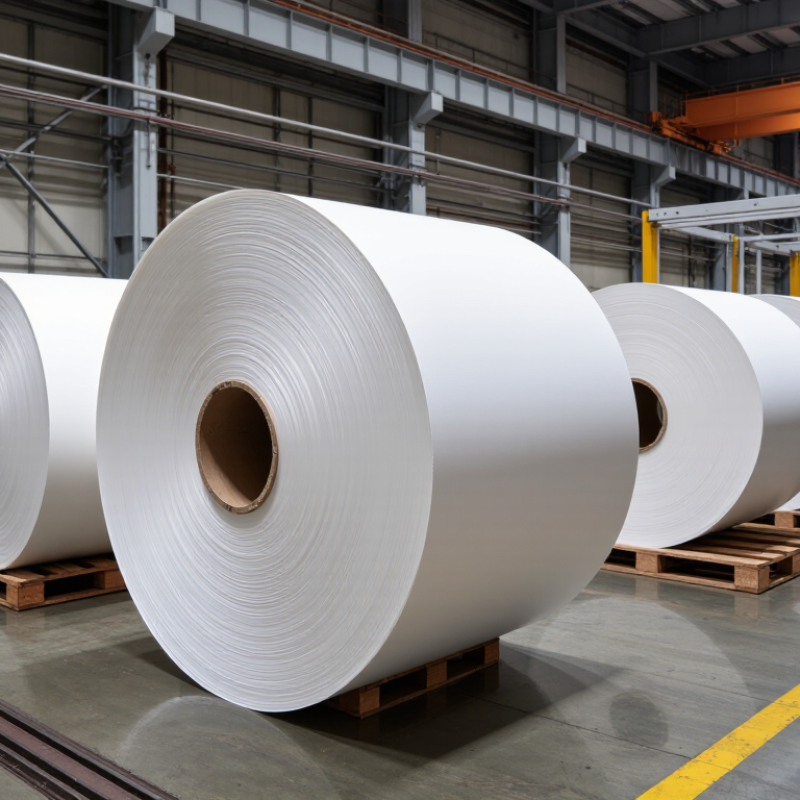
A parent roll is a large, continuous roll produced before slitting, coating, laminating, or other converting work. It may contain paper, film, foil, nonwoven material, or another flexible substrate.
In practical purchasing, the roll’s width, length, thickness, basis weight, core size, and winding quality define its usable value. The quoted price may include the raw material, production, standard inspection, wrapping, and basic pallet protection. Freight, taxes, special testing, and custom packaging may be separate charges.
For example, a 1.2-meter-wide roll, 5,000 meters long, and weighing 80 grams per square meter contains about 480 kilograms of material. At 1.50 per kilogram, the material value is 720 before processing and logistics.
Converting costs may include coating, slitting allowance, energy, labor, setup time, and expected production waste. Some suppliers quote per kilogram, metric ton, square meter, or complete roll. These units are not interchangeable without checking the specifications.
Moisture, thickness tolerance, edge damage, and occasional splices may change the final usable quantity. Market prices for fibers, polymers, energy, and transport can also move quickly. A low unit price may hide a smaller finished width or higher waste.
Ask for net weight, usable length, core details, tolerance limits, and every included charge in writing. Small omissions matter.
What Are Parent Roll Prices and How Are They Calculated?
Parent roll pricing depends on more than the material itself. A buyer may pay by kilogram, tonne, square meter, or complete roll. The quoted unit must be confirmed before comparing suppliers. Otherwise, a lower price can look attractive but hide a shorter length or narrower width.
Raw material is usually the largest cost factor. Paper grade, film resin, foil thickness, coating weight, and moisture content can change the price significantly. Width and length also matter because larger rolls require more material and stronger handling equipment. Converting costs include slitting, rewinding, edge trimming, core selection, packaging, and quality inspection. Tight thickness tolerance often increases processing time. Small details matter.
Market conditions can move prices quickly. Energy, labor, transport, exchange rates, and seasonal demand affect the final quotation. Minimum order quantity may reduce the unit cost, while custom dimensions may add setup charges. A practical calculation is: material cost plus conversion cost, packaging, freight, and an agreed margin. Quality claims and expected waste should be discussed as well.
Actual usage offers the clearest test. Measure the usable length, rejected sections, roll weight, and downtime during production. I have seen a cheaper roll create more waste after installation. That calculation was incomplete. Specifications should cover diameter, core size, splice limits, surface defects, and delivery terms. Prices can still change, even after careful planning.
A parent roll is a large master roll of paper, film, foil, or nonwoven material that is later slit, coated, printed, or converted into smaller rolls. Its selling price is normally calculated from the material weight or area, processing requirements, roll specifications, packaging, freight, and applicable surcharges.
| Cost Dimension | Unit or Assumption | Representative Value | Calculation Method | Estimated Cost | Effect on Parent Roll Price |
|---|---|---|---|---|---|
| Sample Roll Specifications | |||||
| Material type | Product specification | Uncoated paper | Determines the base furnish, production route, and applicable quality requirements. | — | Different materials can have substantially different prices per kilogram or square metre. |
| Parent roll width | Millimetres | 1,000 mm | Specified by the converting line and required finished-roll widths. | — | Wider rolls may improve material utilisation but can require specialised equipment. |
| Basis weight | Grams per square metre | 60 g/m² | Material mass per square metre. | — | Higher basis weight generally increases the cost per linear metre and per roll. |
| Roll length | Linear metres | 20,000 m | Specified according to winding capacity, handling limits, and customer requirements. | — | Longer rolls usually increase total order value but may reduce handling cost per metre. |
| Calculated roll area | Square metres | 20,000 m² | Width in metres × length = 1.0 m × 20,000 m. | — | Area is useful for comparing prices between rolls with different widths and lengths. |
| Calculated material weight | Kilograms | 1,200 kg | Area × basis weight ÷ 1,000 = 20,000 × 60 ÷ 1,000. | — | Many parent-roll quotations are primarily based on net kilograms. |
| Illustrative Price Calculation | |||||
| Base material | Price per kilogram | US$1.10/kg | 1,200 kg × US$1.10/kg. | US$1,320 | Usually the largest component of the final parent-roll price. |
| Manufacturing and conversion | Price per kilogram | US$0.16/kg | 1,200 kg × US$0.16/kg. | US$192 | Covers forming, drying, winding, energy, labour, and routine production overhead. |
| Surface treatment or coating | Price per kilogram | US$0.12/kg | 1,200 kg × US$0.12/kg. For an uncoated product, this may be zero. | US$144 | Coatings, barriers, adhesives, and special finishes can materially increase cost. |
| Core and winding materials | Per roll | 1 roll | Core, plugs, winding controls, and roll-identification materials. | US$20 | Core diameter, strength, and special winding requirements affect the charge. |
| Packaging | Per roll | 1 roll | Protective wrapping, edge protection, labels, and pallet or cradle handling. | US$35 | Export packaging and moisture protection generally cost more than standard wrapping. |
| Freight and handling | Per roll | 1 roll | Estimated transport, loading, terminal, and handling charges. | US$85 | Distance, shipment size, fuel prices, and delivery terms can change this amount. |
| Energy, environmental, or market surcharge | Per roll | 1 roll | Applied when the quotation includes variable energy, pulp, resin, or regulatory charges. | US$40 | May be fixed, indexed, or revised periodically according to the supply agreement. |
| Total estimated parent-roll price | Per roll | Before taxes | US$1,320 + US$192 + US$144 + US$20 + US$35 + US$85 + US$40. | US$1,836 | Illustrative total for the stated specifications and assumptions. |
| Estimated price per kilogram | US$/kg | US$1.53/kg | Total price ÷ calculated roll weight = US$1,836 ÷ 1,200 kg. | US$1.53/kg | Useful for comparing quotations based on different roll sizes. |
| Estimated price per linear metre | US$/m | US$0.0918/m | Total price ÷ roll length = US$1,836 ÷ 20,000 m. | US$0.0918/m | Useful when downstream production is measured by linear metre. |
| Main Factors That Determine the Final Price | |||||
| Raw-material market conditions | Pulp, resin, film, foil, or fibre index | Variable | Base material price is adjusted according to current supply, demand, and contract terms. | Variable | Often the most important short-term pricing factor. |
| Quality and performance requirements | Specification level | Standard to specialised | Higher cleanliness, strength, smoothness, barrier, or moisture requirements increase production controls. | Variable | Tighter specifications may require additional testing and a higher reject allowance. |
| Order quantity | Rolls or tonnes per order | Higher volume typically lowers unit cost | Setup, testing, and scheduling costs are distributed over a larger production quantity. | Variable | Small orders commonly carry higher prices per kilogram. |
| Slitting and tolerance requirements | Width tolerance and edge quality | Standard or tight tolerance | Additional setup, inspection, trimming, and material waste may be included. | Variable | Tighter tolerances and lower allowable defects increase conversion cost. |
| Delivery terms and destination | Shipping arrangement | Domestic or export delivery | Freight, insurance, customs handling, and local delivery charges are added as applicable. | Variable | The same parent roll can have different delivered prices in different locations. |
| Payment terms and currency | Contract condition | Quoted currency and credit period | Financing cost, currency exposure, and payment risk may be reflected in the quotation. | Variable | Longer payment periods or currency volatility can raise the quoted price. |
Note: The monetary figures above are representative calculation values for a standard paper parent roll and are not a supplier quotation. Actual prices vary by material type, region, order quantity, technical specification, market conditions, and delivery terms.
A parent roll is priced from its measurable material content, not its appearance alone. The base price usually begins with net weight multiplied by the current price per kilogram. For a paper roll, suppliers may calculate weight with this formula: width × length × grammage ÷ 1,000,000. The result is the theoretical weight in kilograms.
Real production needs adjustment. Trim waste, moisture variation, splice allowance, and core weight can change the final figure. A practical calculation is: base material cost = net usable weight × unit material rate. Then, manufacturers may add coating, laminating, slitting, inspection, and reasonable production loss. These charges should be shown separately when possible. Clear records matter.
For example, a roll measuring 1.2 meters wide and 5,000 meters long at 80 grams per square meter weighs about 480 kilograms before production adjustments. At 1.80 currency units per kilogram, its material value is 864 currency units. A three percent waste allowance raises the chargeable weight to 494.4 kilograms. The adjusted material cost becomes 889.92 currency units.
The calculation is not perfectly fixed. Market rates move, and actual waste may differ from a quotation. I have found that small width errors can affect a large order. Scale readings are more reliable than estimates. Freight, taxes, storage, and special packaging normally sit outside the base price. A careful buyer should compare the formula, measurement basis, and included services rather than only the final number.
Parent roll pricing starts with four details: width, length, weight, and material. A wider roll uses more raw material per running meter. A longer roll usually costs more because its total area increases. However, suppliers may quote prices by kilogram, square meter, or complete roll. Confirm the pricing unit before comparing offers.
A practical estimate uses this formula: area equals width multiplied by length. For sheet materials, estimated weight equals area multiplied by grammage.
For example, a 1.2-meter-wide roll, 500 meters long, and weighing 80 grams per square meter covers 600 square meters. Its estimated material weight is 48 kilograms.
The final price may include coating, lamination, winding, packaging, and production loss. Material type matters greatly. Recycled fiber, plastic film, foil, and specialty textiles have different density, processing, and market costs. This estimate is useful, but not perfect. Moisture and core weight can change the invoice.
Tips: Ask for the net roll weight, not only the gross weight. Check the tolerance for width, length, and grammage. Request a sample specification sheet before ordering. Compare two quotes using the same unit. A cheaper kilogram price may hide shorter lengths or higher waste. I have found that small measurement differences become expensive across many rolls. Recheck the numbers.
Parent roll pricing begins with the usable material inside the roll. Suppliers usually calculate the base cost from weight, width, length, grade, and current raw material prices. A simple formula is: material cost plus converting cost, waste, freight, overhead, and profit margin. Basis weight matters greatly. A heavier roll carries more material cost, even when its width stays unchanged.
Additional costs can change the final price quickly. Slitting may add a fixed machine charge, while special winding increases labor time. Packaging, storage, insurance, and delivery distance also affect the quotation. The U.S. Bureau of Labor Statistics Producer Price Index tracks monthly movements in paper and related manufacturing prices. However, it is an economic indicator, not a final supplier quote. Fastmarkets benchmark assessments also show why region, grade, and transaction timing matter. Two similar rolls may still receive different prices.
Tips: Ask for a price breakdown. Check the basis weight, trim width, core size, minimum order, and freight terms. Compare waste allowances carefully. A low unit price may hide expensive edge trim or storage fees. I have found that the most useful quotation includes both price per kilogram and price per finished roll. The formula is rarely perfect. Forecast errors, currency shifts, and unstable energy costs can distort it. Recheck the calculation before approving production.
Representative cost model by paper grade, shown in USD per metric ton. Final price includes the parent roll price, converting, coating or treatment, packaging, and freight.
How the calculation works: Final price = base parent roll price + processing costs + packaging + freight. In this model, the base paper or board accounts for most of the final price, while additional costs vary according to grade, surface treatment, order specifications, and delivery distance.
Staverton is a British designer & manufacturer of contemporary office furniture.
Call us today: +44 (0)20 3794 1200
©2025 Staverton (UK) Ltd | Terms | Disclaimer | Cookies | Privacy

![]()
Please enter your details below to access the design files.