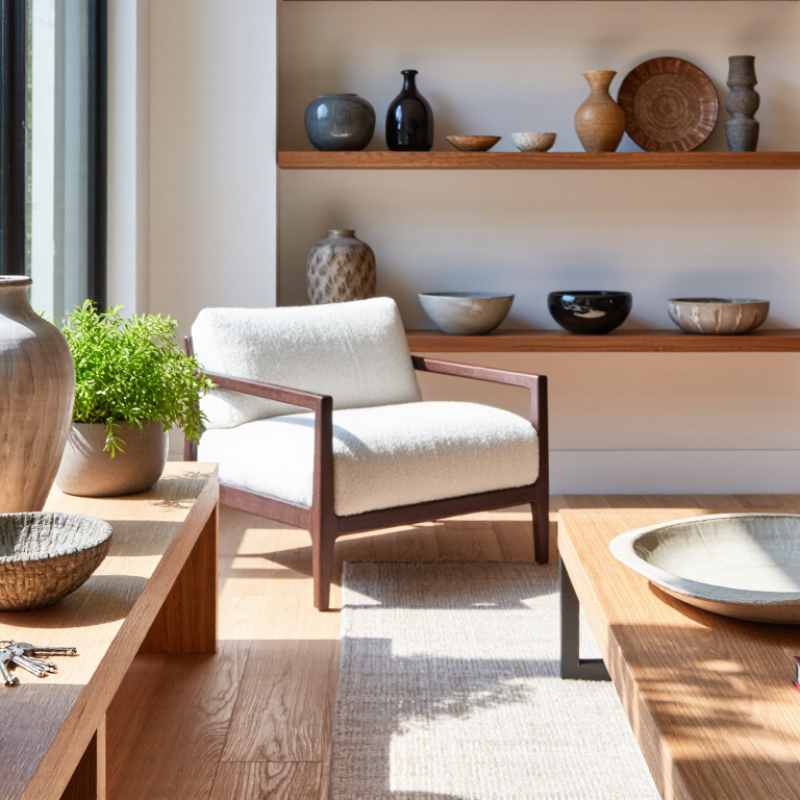
How to Choose Ceramic Home Decor for Your Home?

Choosing Ceramic Home Decor is not only about matching colors or filling empty shelves. It is about creating a home that feels personal, balanced, and lived in. A hand-finished vase may show tiny glaze variations, while a molded tray can bring clean structure to a crowded coffee table. These details often matter more than perfect decoration.

A practical choice begins with the room’s purpose, natural light, and existing materials. In a small entryway, a narrow ceramic bowl can hold keys without blocking movement. In a bright kitchen, textured stoneware may add warmth beside smooth cabinets. Consider weight, stability, surface care, and placement before buying. Quality ceramics should feel solid, sit evenly, and have a finish suited to everyday use. Product descriptions, maker information, and care instructions can also reveal whether an item deserves trust.

Still, decorating rarely follows a perfect formula. I have chosen attractive pieces that looked awkward once placed near larger furniture. That mistake taught me to measure first and shop more slowly. Start small. Test one piece. Notice how it changes the room at morning and evening. The following guide explores shapes, colors, textures, scale, craftsmanship, and maintenance, helping you select Ceramic Home Decor with greater confidence. Your home does not need a showroom finish. A few thoughtful objects, even imperfect ones, can make the space feel genuinely yours.

How to Choose Ceramic Home Decor for Your Home?

Define Your Home Decor Needs and Personal Style

Before choosing ceramic home decor, define what your room actually needs. A bare entryway may need a shallow bowl for keys, while a quiet bedroom might benefit from a small textured vase. Measure the available surface first. A ceramic piece should leave enough space for books, lamps, or daily movement. Function matters more than impulse.

Your personal style should guide the shape, color, and finish. If your room has linen curtains and wooden furniture, matte ceramic forms can soften the space. Glossy pieces may suit rooms with polished metal or glass. Notice your existing colors in morning and evening light. A cream vase can look warm at noon but gray beside cool flooring. Consider the visual weight, too. A tall narrow vessel creates height, while a low bowl feels grounded.

I once chose a beautiful oversized sculpture for a small shelf. It made the wall feel crowded. That mistake changed how I decorate. Leave breathing room around statement pieces, even when the empty space feels unfinished. Small imperfections can also add character, especially on handmade surfaces. Still, check the base for stability and inspect glaze consistency before buying. Avoid placing unprotected ceramics where they can be knocked easily. Style should feel personal, not staged for someone else. You may prefer an unusual shape that breaks your room’s pattern. That is acceptable. Your home should reflect real habits, including occasional indecision.

Evaluate Ceramic Types, Quality, and Craftsmanship

When choosing ceramic home décor, start by identifying the ceramic type. Earthenware feels warm and porous, while stoneware is denser and more resistant to moisture. Porcelain usually has a finer body and a lighter, almost translucent edge. I once chose a beautiful low-fired vase without checking its surface. It absorbed water and left a pale ring on my wooden table.

Quality appears in details that photographs often hide. Hold the piece near a window and inspect the glaze for pinholes, bubbles, hairline cracks, or uneven coverage. A gentle tap can reveal a clear, firm tone, although this test is not perfect. Check the base, too. A smooth foot ring should sit steadily without scratching furniture. For bowls or cups used with food, look for clear safety information and suitable independent testing. Decorative pieces should still have stable construction.

Craftsmanship includes proportion, balance, and intentional variation. Handmade marks can add character, but careless seams or sharp edges may signal weak finishing. Compare matching pieces from several angles; slight differences are acceptable, yet major changes in size or color may become frustrating. I sometimes value a small irregularity too quickly, then realize it affects daily use. Ask about firing temperature, glaze composition, care instructions, and repair policies. Reliable sellers should answer plainly and provide consistent measurements. Keep the room’s light and humidity in mind, because a glaze can look calmer in a showroom than beside a bright window.

Match Ceramic Colors, Shapes, and Sizes to Each Room

Choosing ceramic home decor becomes easier when each room has a clear visual purpose. Color should support that purpose, not compete with it. In a bright living room, warm white, sand, or muted green can soften hard furniture. Add one darker vessel for contrast. Too many tones can make shelves feel noisy. I learned this after placing five colorful pieces beside a patterned sofa. It looked lively, but not restful.

Shape changes how a room feels. Rounded vases bring softness to angular tables, while tall cylinders add quiet height. On a narrow console, choose a slim piece with a stable base. For coffee tables, low bowls keep sightlines open. Group three objects with different heights, but keep one shared color. A useful starting point is a large, medium, and small form. Measure the surface first. I sometimes ignore this step. Then a beautiful vase blocks a lamp switch or crowds a book.

In bedrooms, small matte ceramics beside the bed feel calmer than glossy, oversized forms. In kitchens, choose sealed surfaces that wipe clean, especially near cooking areas. Bathrooms need pieces that tolerate humidity and lack fragile protruding details. Entryways benefit from heavier bases, since bags and coats can knock things over. Check for chips and wobbling before placing an item. A slightly uneven handmade finish can add character, though it may not suit every room. Daily use matters more than a perfect photograph.

Balance Function, Placement, and Overall Room Proportion

Choosing ceramic home decor works best when beauty follows function. A bowl can hold keys, while a sculptural vessel may simply shape an empty corner. Consider how you will use each piece before buying it. A heavy ceramic lamp needs a stable surface and enough clearance for daily movement. A shallow tray suits a narrow console better than a tall ornament.

Room proportion matters just as much. Measure the furniture first, then compare the ceramic piece with its width and height. On a long sideboard, one small object may look lost. A grouped arrangement can feel intentional, but too many pieces create visual noise. Leave breathing space around each form. I once filled a shelf with beautiful ceramics, and the room suddenly felt smaller. The mistake was obvious only after I lived with it.

Tips: Use paper cutouts to test placement before purchasing. Keep tall pieces near lower furniture, and balance them with shorter forms nearby. In a compact room, choose fewer pieces with stronger shapes. Check the finish under daylight, since glaze can appear warmer or colder indoors. Consider maintenance too; textured surfaces collect dust quickly. Ceramic is durable, but it is not careless-proof. Place fragile items away from busy walkways, pets, and opening doors. Reassess the arrangement after a week. Your first layout may not be the right one.

How to Choose Ceramic Home Decor for Your Home?

Balance function, placement, and overall room proportion by comparing the recommended priority of each factor before selecting a ceramic piece.

Function should guide the choice first, while placement and room proportion determine whether the ceramic decor feels practical and visually balanced. Use the scores as a planning reference, then adjust them according to the room’s size, furniture height, and available surface space.

Check Safety, Maintenance, and Long-Term Durability

How to Choose Ceramic Home Decor for Your Home?

Safety should guide every ceramic purchase, especially for pieces near food, children, or heat. Inspect the surface under bright light. It should feel smooth, without sharp chips, deep cracks, or powdery glaze. Ask whether the item is tested for food contact when using it as a bowl or tray. Decorative ceramics may not meet that standard. Never assume an attractive finish is automatically safe.

I once bought a beautiful vase with a slightly uneven base. It looked harmless, but it scratched a wooden shelf. Small details matter. Place felt pads beneath heavy objects, and keep tall pieces away from busy walkways. For candle holders, check heat resistance and leave space around the flame. Ceramic can tolerate heat, but sudden temperature changes may cause cracking.

Maintenance affects long-term durability. Dust with a soft, dry cloth, then use mild soap and lukewarm water when needed. Avoid abrasive sponges and strong cleaners. They can dull the glaze gradually. Dry the piece completely, particularly around its base. Humid rooms may encourage staining or hidden moisture. Rotate displayed items occasionally. Sunlight can fade nearby materials, even when the ceramic itself remains unchanged. I still forget this sometimes. For outdoor use, choose low-porosity ceramic and move it indoors during freezing weather. Water trapped inside tiny pores can expand and split the piece. Keep fragile items where they will not be repeatedly moved.

How to Choose Ceramic Home Decor for Your Home? - Check Safety, Maintenance, and Long-Term Durability

Ceramic Type Typical Home Decor Uses Safety Considerations Maintenance Requirements Long-Term Durability Best Choice For
Porcelain Vases, decorative sculptures, trays, planters, and table accessories. Generally non-porous when properly fired and glazed. For food or drink use, choose pieces specifically identified as food-safe and compliant with applicable regulations. Wipe with a soft, damp cloth. Mild soap may be used when needed. Avoid abrasive cleaners and sudden temperature changes. Very High
Dense and low-absorption, but thin edges and handles can chip if dropped.
Refined displays, high-use decorative surfaces, and homes needing easy cleaning.
Stoneware Bowls, candle holders, planters, serving pieces, and substantial decorative objects. Usually durable and low-porosity after high-temperature firing. Confirm that glazes are intended for food contact if the item will hold food. Most glazed surfaces clean easily with warm water and mild detergent. Check care instructions before using a dishwasher or microwave. High
Strong and suitable for everyday use, although impact can still cause cracks or glaze chips.
Busy households seeking a balance of strength, weight, and practical care.
Earthenware Decorative pots, wall pieces, figurines, painted tiles, and ornamental dishes. Fired at a lower temperature and usually more porous than porcelain or stoneware. Glazes should be intact; decorative pieces should not be used for food unless clearly approved. Dust gently and wipe with a lightly damp cloth. Avoid prolonged soaking because porous bodies may absorb moisture. Medium
Suitable for light indoor use, but more vulnerable to moisture, staining, and impact damage.
Decorative accents, low-traffic areas, and designs where color and texture are priorities.
Terracotta Plant pots, planters, sculptures, candle holders, and rustic decorative accents. Unglazed terracotta is porous and can retain moisture. Use a stable, heat-resistant holder for candles and protect indoor surfaces from water marks. Remove mineral deposits with appropriate gentle cleaning. Allow the material to dry fully; avoid harsh chemicals and freezing conditions. Medium
Can last for years indoors, but may crack from impacts, saturated moisture, or freezing temperatures.
Natural, rustic interiors and plant displays with good drainage and ventilation.
Glazed Ceramic Decorative plates, wall art, vases, lamps, trays, and colorful accent pieces. The glaze creates a protective surface, but damaged or crazed glaze may be harder to clean. For food use, verify food-contact safety and avoid unverified vintage finishes. Clean with a soft cloth and mild detergent. Do not use scouring pads that may scratch the glaze. High
Resists everyday stains and moisture when the glaze is sound; exposed chips require careful handling.
Homes needing color, pattern, and relatively simple routine maintenance.
Unglazed Ceramic Textured sculptures, minimalist objects, incense holders, and natural-finish decor. Porosity varies by clay body and firing. Keep away from standing water and use heat-safe construction for incense or candles. Dust with a soft brush or dry cloth. Test any cleaner on an inconspicuous area because porous surfaces may absorb liquids. Medium
Can be structurally strong but may stain, absorb odors, or show fingerprints more readily.
Dry indoor areas and minimalist spaces that favor tactile, matte surfaces.

Buying checklist: Inspect for hairline cracks, unstable bases, sharp edges, and loose decorative parts. For items used with food, drinks, heat, or water, follow the care label and select products explicitly described as suitable for that purpose. Keep ceramic decor away from extreme temperature changes and place heavy pieces on stable, protected surfaces.