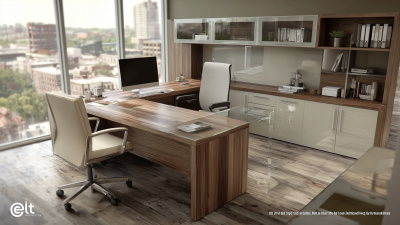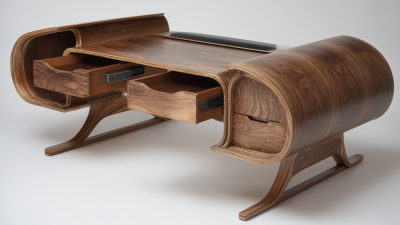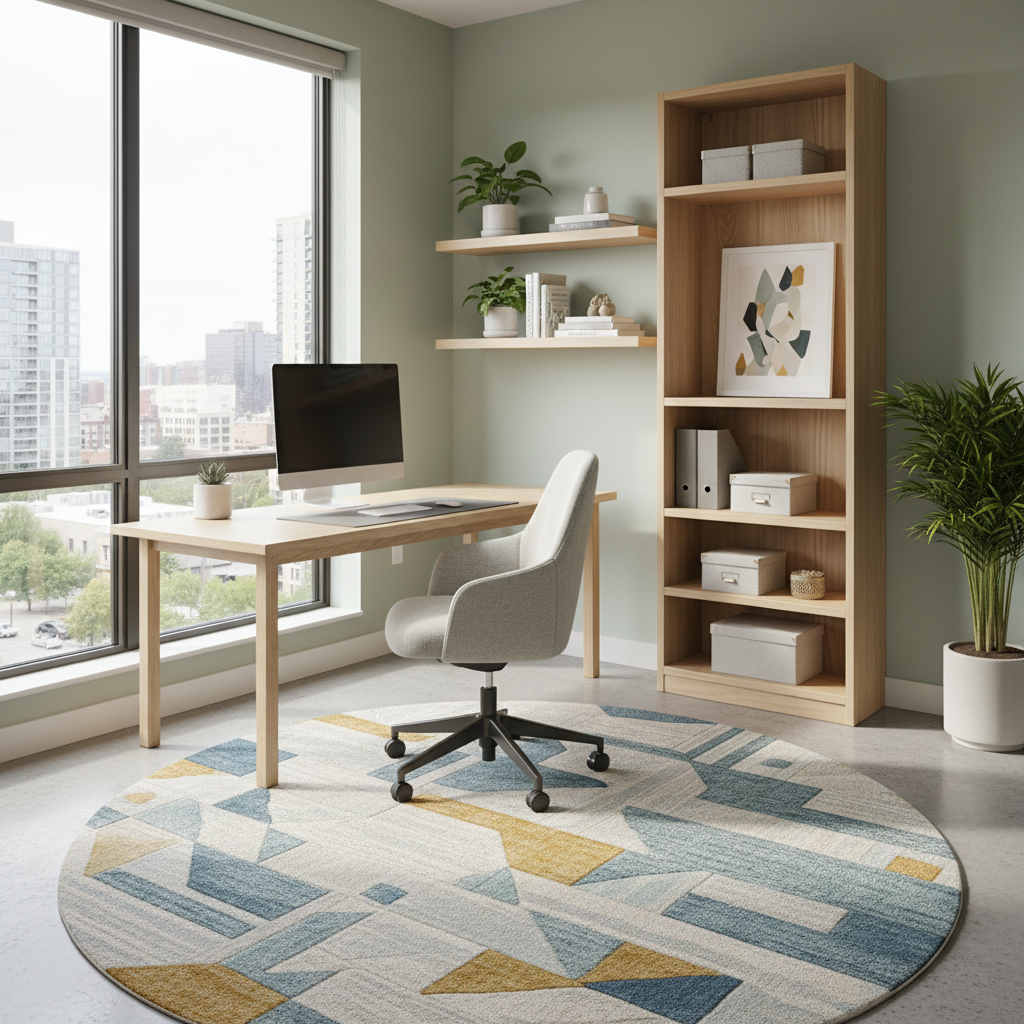
10 Essential Tips for Choosing Office Furniture for Home Workspace

As remote work continues to gain traction, the importance of a well-designed home workspace has never been more evident. According to a report by Global Workplace Analytics, 25-30% of the workforce is expected to remain remote at least a few days a week even after the pandemic. This shift necessitates thoughtful planning around "Office Furniture for Home" to ensure not only productivity but also physical and mental well-being. The right furniture can influence everything from ergonomics to aesthetics, making it a crucial element in creating an efficient work environment.

Furthermore, a study by the Institute for Health and Productivity Studies reveals that ergonomic furniture can reduce health-related costs by up to 40%, while also increasing employee satisfaction and productivity. As we approach 2025, the trends in office furniture are evolving rapidly, with a significant shift towards sustainable materials and multifunctional designs that cater to the dynamic needs of today's professionals. This article will explore ten essential tips for selecting office furniture that not only enhances functionality but also reflects individual style, ultimately contributing to a productive and inspiring home workspace.
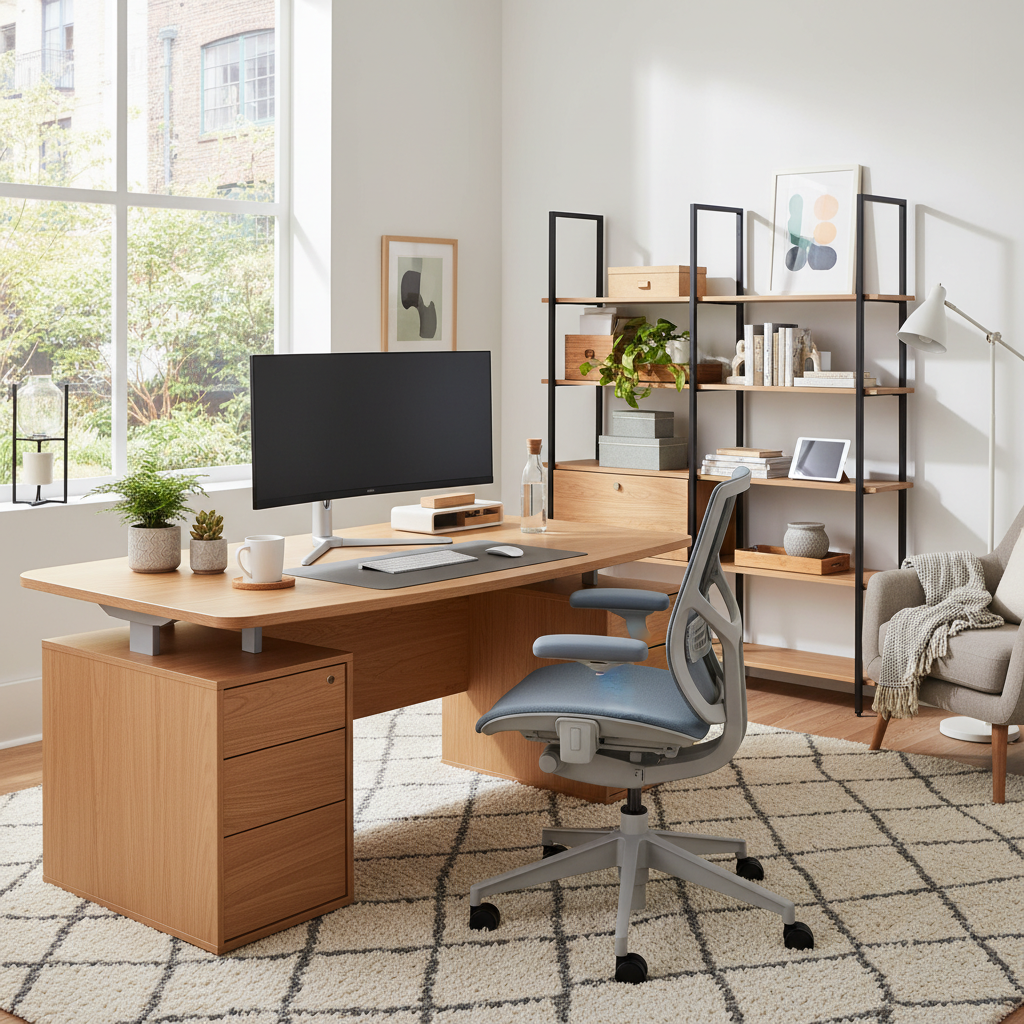
10 Essential Tips for Choosing Office Furniture for Home Workspace

Identify Your Workspace Needs and Functionality

10 Essential Tips for Choosing Office Furniture for Home Workspace

When selecting office furniture for your home workspace, identifying your workspace needs and functionality is paramount. According to a report by the International Ergonomics Association, up to 90% of employees report discomfort when working at a poorly designed workstation. This highlights the importance of tailoring your furniture choices to support not only comfort but also productivity. Consider the nature of your work—whether you need a sit-stand desk for flexibility or a large desk surface for multiple monitors. Your decisions should reflect your daily tasks, ensuring that your workspace fosters both efficiency and well-being.

Space optimization is another critical aspect. The Global Workplace Analytics report states that an efficiently designed workspace can enhance productivity by up to 20%. Therefore, assessing the available space is essential before making any purchases. Think about the layout: will you need storage solutions to keep your area organized, or will minimalism be your aesthetic to encourage focus? Moreover, ergonomic chairs and desks can significantly reduce the risk of musculoskeletal issues, paving the way for longer, healthier work sessions. Ensuring that your furniture matches your specific needs not only promotes a conducive working environment but also contributes to your overall health and performance.

Evaluate Space Constraints and Layout Options

10 Essential Tips for Choosing Office Furniture for Home Workspace

When designing a home workspace, evaluating your space constraints and layout options is crucial to creating an efficient and comfortable environment. Start by measuring your available space; this will help you determine the size and type of furniture that can fit without overcrowding the area. Consider how much room you have for movement, as a cluttered workspace can hinder productivity.

One essential tip is to choose a desk that complements your space. A compact, multi-functional desk can serve various purposes without taking up too much room. If your workspace is small, look for options like wall-mounted desks or folding tables. Another tip is to consider vertical storage solutions. Bookshelves or wall-mounted organizers can keep your essentials within reach, freeing up valuable floor space for other furniture pieces.

Lastly, think about the layout flow. Ensure that your desk is positioned in a way that takes advantage of natural light but does not obstruct other elements of the room. Organizing your workspace based on your workflow can also enhance efficiency. For instance, keep frequently used items within arm’s reach while allowing some open space for movement and creativity.

Choose Ergonomic Furniture for Comfort and Productivity

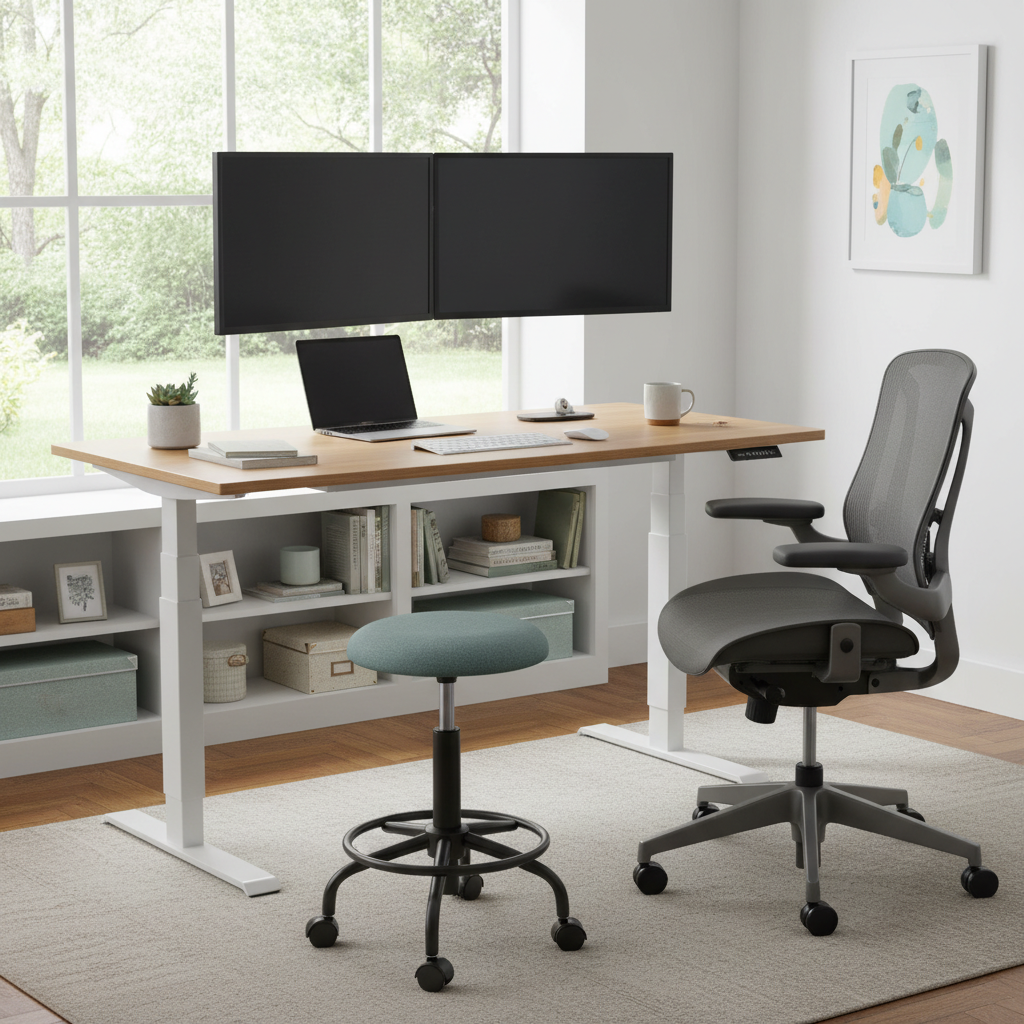
Creating a productive home workspace starts with selecting the right ergonomic furniture. Ergonomic furniture is designed to support the natural posture of your body, helping to reduce strain and discomfort during long working hours. When choosing your office chair, look for features such as adjustable height, lumbar support, and a seat that promotes a neutral spine position. These aspects are vital in preventing back pain and enhancing overall comfort while you work.

In addition to chairs, your desk setup is equally important. Opt for a desk that allows you to maintain a comfortable eye level with your computer screen, reducing neck strain. Consider height-adjustable desks that offer the flexibility of switching between sitting and standing positions. Accessories like keyboard trays and monitor risers can further improve ergonomics by ensuring that your hands and screens are positioned optimally. By prioritizing ergonomic furniture, you not only enhance your comfort but also boost your productivity, creating a harmonious work environment at home.

10 Essential Tips for Choosing Office Furniture for Home Workspace

Tip Description Benefits
1. Assess Your Space Measure your office area to ensure the furniture fits. Optimizes space utilization and organization.
2. Choose Ergonomic Designs Select chairs and desks that support posture. Enhances comfort and reduces strain.
3. Prioritize Quality Materials Opt for durable and sustainable materials. Ensures longevity and eco-friendliness.
4. Consider Color Psychology Use colors that promote productivity and calm. Creates a positive work environment.
5. Ensure Adequate Storage Incorporate cabinets and shelves for organization. Reduces clutter and improves focus.
6. Test Before You Buy Try out chairs and desks to find your comfort level. Ensures satisfaction with your choices.
7. Look for Adjustable Features Furniture that adapts to your needs, like height-adjustable desks. Promotes variation in working positions.
8. Choose Multi-functional Pieces Select furniture that serves more than one purpose. Maximizes utility and space efficiency.
9. Invest in Personalization Choose items that reflect your style and preferences. Enhances motivation and ownership of workspace.
10. Keep Future Needs in Mind Plan for potential workspace changes or growth. Ensures long-term functionality and investment value.

Select Aesthetic Designs That Reflect Your Personal Style

When creating a home workspace, selecting aesthetic designs that reflect your personal style is crucial for fostering productivity and comfort. According to a recent survey by the International Interior Design Association, individuals who personalize their workspace report a 38% increase in job satisfaction. Choosing furniture that resonates with your tastes not only enhances your creativity but also turns your workspace into a sanctuary where you feel motivated and inspired.

Color psychology plays a significant role in how we perceive our work environment. A study published in the Journal of Environmental Psychology found that warm colors can stimulate creativity and energy, while cool tones are linked to calmness and concentration. By incorporating furniture that features your preferred colors and designs, you create an inviting atmosphere that aligns with your personality. Whether it’s a sleek mid-century modern desk or a cozy, rustic chair, ensure your selections reflect your aesthetic, paving the way for a more enjoyable and productive work experience.

Office Furniture Selection Criteria

Consider Budget and Quality for Long-term Investment

When selecting office furniture for your home workspace, it’s crucial to balance budget constraints with the quality of materials and craftsmanship. Investing in durable furniture can save you money in the long run, as high-quality items often last much longer than cheaper alternatives. For instance, a well-constructed desk or ergonomic chair may have a higher upfront cost, but it can provide the comfort and support necessary for long hours of work, reducing the risk of health issues such as back pain.

Moreover, considering the longevity of the furniture is essential. Look for pieces that not only fit your current needs but also adapt to future changes in your workspace requirements. Materials like solid wood or metal tend to withstand wear and tear better than particleboard or plastic options. By prioritizing quality, you ensure that your investment enhances productivity and creates a professional environment, making your home workspace a place where you can thrive.