What Are the Best Maxi Pads for Overnight Use?

Choosing the best Maxi Pads Overnight option is about more than finding the thickest pad. You need dependable coverage that feels comfortable while you sleep. Coverage matters. A longer shape can protect against leaks when you shift from your back to your side, while wider backing may help cover more of your underwear. Absorbency labels are useful, but they do not guarantee the same experience for everyone. Check the package details, including length, wings, and intended flow level.

This guide compares practical features that can make overnight use easier: a secure fit, a soft top layer, and enough absorbency for your usual flow. A pad that bunches or shifts can be uncomfortable, even when it promises extra protection. Small details count. Try a new style on a night when you can pay attention to how it fits, and follow the product’s instructions for use. If your flow regularly soaks through products quickly or disrupts sleep, consider asking a healthcare professional for personalized advice. There is no perfect pad for every body, and recommendations can miss the mark. The best choice is the one that fits your needs without irritating your skin or making you feel overly restricted.
What Are the Best Maxi Pads for Overnight Use?

What Makes a Maxi Pad Overnight-Ready: Length, Rear Coverage, and Core Design

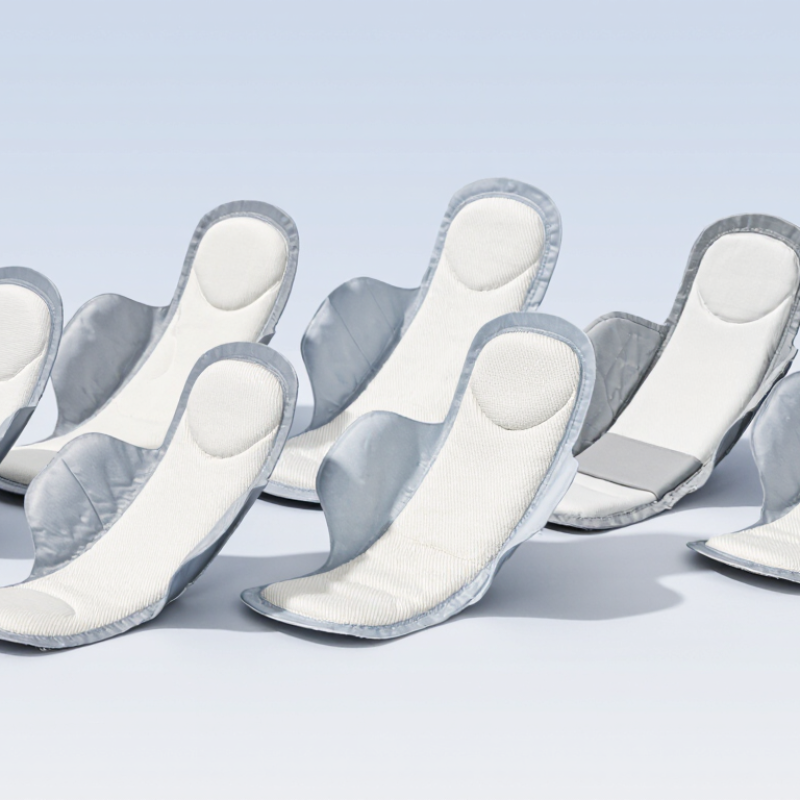
An overnight maxi pad earns its name through fit, not a label alone. Look for a longer body and a wider rear section that stays beneath you when you sleep on your back. The back edge should reach beyond the area where leaks usually land, without bunching against your skin. Length matters, but placement matters too. A long pad that shifts can still leave a gap.

Core design affects how fluid moves. A shaped absorbent channel can draw moisture away from the center, while a broad, layered core may help contain it across a larger area. The BMJ Sexual & Reproductive Health journal reported a 2023 laboratory comparison of 21 menstrual products using packed red blood cells. The study highlights that measured capacity varies by product type; it does not establish one universal overnight standard. So, “extra absorbent” is not a guarantee. Your flow and sleeping position matter.

Tips: Before bed, check that the rear panel sits flat and extends past your usual leak zone. Side sleepers may need wider back coverage. If the pad feels bulky or shifts, rethink the fit. Small detail, big difference. Changes in flow can also make yesterday’s reliable choice less reliable tonight.

Match Flow to Capacity: ACOG Defines Heavy Bleeding as >80 mL per Cycle

Choosing an overnight maxi pad is not only about finding the thickest option. ACOG describes heavy menstrual bleeding by its effect on daily life; more than 80 mL per cycle is a traditional research threshold, not a home-use measuring rule. A 2023 study in BMJ Sexual & Reproductive Health found that menstrual products varied in how much blood they held. So a package’s absorbency claims cannot predict every person’s experience. Fit matters, too. A pad that bunches near the leg openings may leak before it feels full.

Match capacity to your actual flow. If you wake to a saturated pad, stained sleepwear, or repeated leaks, try a higher-capacity style with a wider rear section, then check whether it stays in place when you turn. Small details count. Record how often you change pads and whether bleeding disrupts sleep; these notes can help a clinician assess the pattern.

ACOG’s guidance also flags soaking through a pad every hour for several consecutive hours as a reason to seek medical advice, especially with dizziness or weakness. One heavy night can happen. A recurring pattern deserves attention, even if choosing the right pad still takes some trial and error.

Compare Fit and Leak Protection for Side, Back, and Stomach Sleepers

Overnight protection depends on where you sleep and how your body moves. Side sleepers may benefit from a wide, contoured pad that covers the area closest to the mattress. Wings can help hold it in place when you turn. Back sleepers may prefer extra length toward the rear, while stomach sleepers often need more coverage toward the front. Check the pad’s shape, not just its absorbency label.

Fit matters as much as capacity. A pad that bunches under snug sleepwear can leave gaps, even when it is highly absorbent. Longer styles may offer more coverage, but they can feel bulky. That trade-off is easy to miss until bedtime. No design can guarantee leak prevention, so choose based on your usual flow and sleeping position. If you regularly soak through products quickly, consider asking a healthcare professional for advice.

Tips: Put on a fresh pad just before bed, and smooth the wings onto dry underwear. Notice where leaks or shifting happen; adjust placement next time. Small changes can help.

Follow CDC Pad-Change Guidance: Replace Pads Every Few Hours

Overnight comfort starts with fit, not just absorbency. Choose a pad that reaches beyond the front and back of your underwear, and check that its wings lie flat. CDC menstrual hygiene guidance recommends changing pads every few hours, even when flow seems light. Put on a fresh pad before bed, then change it sooner if it feels damp, shifts, or becomes saturated. A longer pad may help protect your sheets, but it does not replace regular changes.

For sleep that lasts longer than a few hours, this guidance can be awkward to follow. Consider setting an alarm if your flow is heavy or leaks often wake you. Otherwise, change as soon as you get up. ACOG’s guidance on heavy menstrual bleeding flags soaking through one or more pads each hour for several hours as a reason to contact a clinician. This is a useful threshold, not a diagnosis.

Tips: Keep a spare pad and dark towel beside the bed. Track leak times for two or three cycles; imperfect notes can still help. If your bleeding feels unusually heavy, ask a healthcare professional.

What Are the Best Maxi Pads for Overnight Use? — Follow CDC Pad-Change Guidance: Replace Pads Every Few Hours
Overnight Need Features to Look For Choosing and Using the Pad When to Change
Light flow A comfortable maxi pad with a length and absorbency suited to your usual flow. Check the product label and choose a shape that fits your underwear securely. Replace every few hours, and sooner if the pad feels wet, uncomfortable, or is approaching saturation.
Moderate flow A longer pad with absorbency appropriate for your flow; wings may help keep it in place. Position the pad according to your body and underwear fit. Change into a fresh pad before bed if needed. Replace every few hours; change sooner if it becomes wet or saturated.
Heavy flow A longer, higher-absorbency pad designed for heavier flow, based on the package description. Keep spare pads nearby. If you regularly soak through pads quickly, consider discussing your bleeding with a healthcare professional. Change more often than every few hours if needed, especially when the pad is wet or saturated.
Side sleeping or movement during sleep A pad with a secure fit; wings can help hold it in place, and a longer rear panel may provide additional coverage. Fit and coverage vary by person, so adjust placement to suit your underwear and sleeping position. Follow the same change guidance: replace every few hours and sooner if needed.
Choosing a pad for overnight use Length, absorbency, shape, and comfort that match your flow and personal fit. There is no single best design for everyone. Use the package information to compare products without relying on a specific brand. Overnight use does not replace regular changes; change pads every few hours and whenever they become wet or uncomfortable.
General guidance: The CDC advises changing menstrual pads every few hours, and more often when flow is heavy. Follow product instructions and change sooner whenever needed.

Check Skin Comfort: ACOG Advises Avoiding Vulvar Irritants

For overnight use, absorbency matters, but the pad also sits against delicate vulvar skin for hours. ACOG advises avoiding scented hygiene products and other potential vulvar irritants. Check packaging for fragrance, deodorizing agents, or added lotions, and choose an unscented option with a soft, breathable surface. A snug fit can reduce bunching and rubbing; it should not feel tight. Small details matter. If a pad feels damp or irritating, change it when practical rather than waiting until morning.

Research offers a reason to take irritation seriously, without treating one study as a population-wide estimate. In a specialist-clinic study of 282 patients with vulvar symptoms, 54% had a positive patch-test result for at least one contact allergen (Al-Niaimi et al., Contact Dermatitis, 2014). Those patients were referred for symptoms, so the figure does not show how often irritation occurs among all pad users. Still, it supports checking product ingredients when discomfort repeats. Notice the pattern: Does itching start after using a particular pad, or worsen where its edges touch? A simple symptom note may help a clinician assess the cause. No pad suits every body, and “unscented” does not guarantee zero irritation.