Folding Container House Benefits for Global Buyers?

The "Folding container house" has gained significant attention among global buyers. This innovative housing solution combines convenience, affordability, and sustainability. With the rapid growth of urban populations, traditional housing methods often fall short. The pressing demand for cost-effective living spaces makes folding container houses a timely alternative.

These structures are portable and flexible. They can be deployed quickly in various locations. Buyers appreciate the ability to easily relocate their homes without extensive logistics. However, buyers should also consider potential downsides. Limited space can be challenging for larger families. Additionally, the aesthetics may not appeal to everyone.

Despite these concerns, the benefits of a folding container house are substantial. They offer a practical choice for those in need of shelter. As more people prioritize efficient living, understanding these structures becomes essential. Buyers must weigh the pros and cons to make informed decisions.
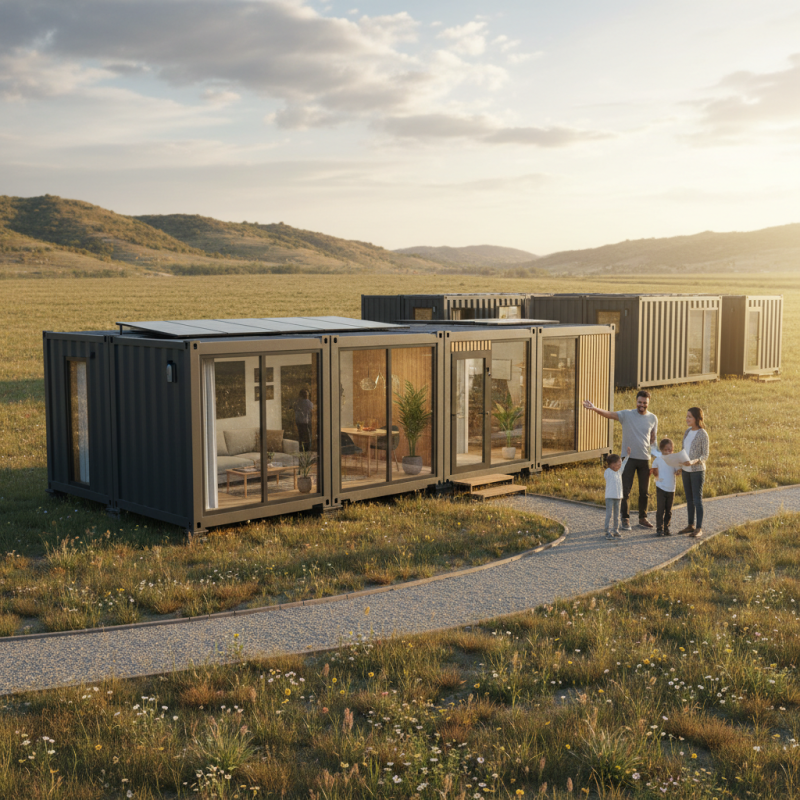
Folding Container House Benefits for Global Buyers?

Benefits of Folding Container Houses for Global Buyers

Folding container houses offer numerous advantages for global buyers. They combine mobility, affordability, and environmental sustainability. These structures are easy to transport and set up on various terrains. They attract attention in urban areas as quick solutions for housing shortages.

One major benefit is their cost-effectiveness. Building traditional homes requires significant investment in materials and labor. Folding container houses reduce these costs dramatically. With less time required for construction, buyers can expect quicker returns on investment.

Tips: Consider the climate before purchasing. Containers might need insulation in colder regions. Also, assess the local regulations concerning housing. This could save you from future complications. Explore customization options to meet your personal or business needs. Aesthetic choices can enhance the living experience while maintaining practical benefits.

Cost Efficiency in Folding Container House Construction

Folding container houses offer remarkable cost efficiency in construction. These homes are built using repurposed shipping containers, which significantly reduce materials cost. Unlike traditional housing, they require less structural work, saving time and labor expenses. Many buyers find this appealing as it lowers the overall investment needed.

Furthermore, the modular design of these houses allows for quick assembly. They can be erected in days, not weeks. This rapid construction time can lead to savings in labor costs, which adds up as projects progress. However, some may find the aesthetic limitations off-putting. The industrial look is not for everyone.

While folding container houses provide affordability, challenges remain. Buyers need to carefully consider zoning laws and land preparation costs. Some may underestimate these factors, leading to unexpected expenses. It's essential for potential owners to conduct thorough research before making such an investment. These homes have their benefits but also require careful planning.

Folding Container House Benefits for Global Buyers

Feature Benefit Cost Efficiency Time Efficiency
Modular Design Flexible space utilization Lower material costs due to standardization Rapid assembly and disassembly
Off-site Construction Reduced site disruption Lower labor costs with factory work Faster project completion
Sustainability Environmentally friendly materials Energy-efficient designs save costs Minimized waste during construction
Portability Easily relocatable units Reduced transportation costs Quick setup at new locations
Affordability Lower purchase prices Fewer expenses on infrastructure Accelerated time to occupancy

Environmental Sustainability of Folding Container Homes

Folding container homes are gaining attention for their environmental sustainability. These homes utilize recycled materials, significantly reducing waste. By repurposing shipping containers, the construction process leaves a smaller carbon footprint compared to traditional building methods. It’s an attractive option for those concerned about environmental impact.

Additionally, the energy efficiency of these homes is notable. Their design often allows for natural ventilation, reducing the need for heating or cooling. Many owners install solar panels, harnessing renewable energy. However, integrating sustainable features can be challenging. Not all locations support eco-friendly installations. Restrictions might arise, limiting water collection systems or solar placement.

The appeal lies in their modularity. Folding container homes can adapt to various terrains and climates. This versatility provides solutions for affordable housing. Even so, buyers must consider local regulations. Navigating bureaucracy can be frustrating and delay projects. For many, the environmental benefits are undeniable, but practical hurdles remain.

Versatility and Adaptability of Folding Container Structures

Folding container houses are gaining traction due to their versatility. These structures are adaptable to various environments, making them suitable for multiple uses. According to a study by Global Market Insights, the modular construction market is projected to reach $157 billion by 2027. This growth indicates a rising preference for flexible housing solutions.


These container homes can be easily modified to meet different needs. They can serve as offices, homes, or even emergency shelters. Their adaptability is a key selling point for global buyers. In regions prone to natural disasters, folding container houses can be deployed quickly, providing immediate relief. The ability to stack and reconfigure them allows for efficient use of space.


However, challenges remain. Not all regions have the same infrastructure to support quick installation. Additionally, environmental impact must be considered. Some containers may require additional insulation, which could affect energy efficiency. Addressing these concerns will be crucial for long-term adoption. Overall, understanding the diverse functions and potential issues is essential when considering folding container houses.

Quick Assembly and Mobility Features of Folding Container Houses

Folding container houses offer unique advantages for global buyers, particularly due to their quick assembly and mobility features. These innovative structures can be set up within a few hours, making them an excellent choice for emergency housing or temporary sites. Imagine a team of workers transforming a vacant lot into a vibrant living space in no time. This efficiency can save significant resources, especially in urgent situations.

One striking feature of folding container houses is their mobility. These units can be transported easily from one location to another. This flexibility allows users to adapt to changing needs or environments. For instance, a family can relocate their living space seamlessly, whether for job opportunities or lifestyle changes. However, while this adaptability is a significant advantage, it raises questions about the stability of such structures in various climates and terrains.

Additionally, the compact design of folding container houses makes them practical for urban areas. They can fit snugly into small plots of land where traditional homes might not. This creative use of space can lead to vibrant communities emerging in densely populated cities. Yet, potential buyers should consider whether the smaller living area meets their long-term needs before making a decision.

Benefits of Folding Container Houses for Global Buyers