Staverton is a British designer & manufacturer of contemporary office furniture.
Call us today: +44 (0)20 3794 1200
©2025 Staverton (UK) Ltd | Terms | Disclaimer | Cookies | Privacy

![]()
Choosing the right Cosmetic Bed can shape every client’s experience, from the first consultation to the final treatment.
In salons and clinics, comfort matters, but it is only one part of the decision. A stable frame supports safer positioning during facials, waxing, massage, and non-invasive cosmetic procedures. Smooth upholstery also helps staff clean surfaces between appointments. Small details become important.
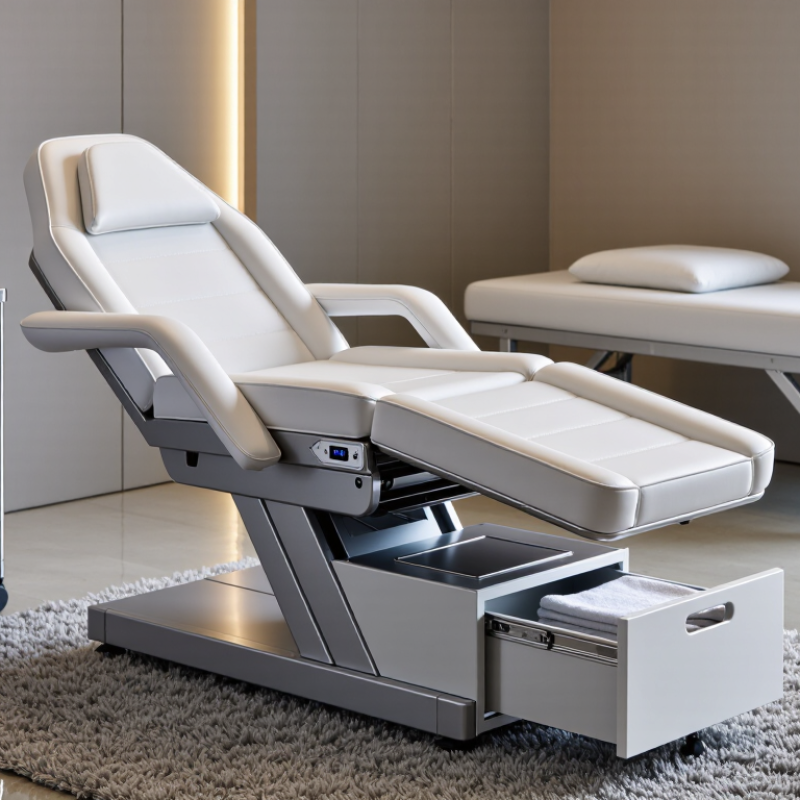
An adjustable backrest can reduce strain for both clients and practitioners. A removable face cushion may improve comfort during longer sessions. Some models include storage, armrests, or electric height controls. These features can save time in busy treatment rooms, although they may increase cost and maintenance needs.
This guide reviews seven Cosmetic Bed options for professional environments. The comparison considers construction, adjustability, weight capacity, upholstery, cleaning requirements, and practical value. It also examines how each bed may fit different salon layouts and treatment routines. Not every highly rated model suits every business. A compact clinic may need mobility, while a luxury salon may prioritise appearance and quiet electric movement.
Real-world use can reveal weaknesses that product descriptions overlook. Motors may sound louder than expected. Padding may feel supportive at first but soften over time. Even attractive finishes can show oil stains quickly. These points deserve honest attention.
The best choice depends on treatment type, available space, client needs, and staff experience. Buyers should confirm manufacturer specifications, warranty coverage, and professional safety guidance before purchase. This overview offers a practical starting point, not a substitute for careful evaluation.
A suitable cosmetic bed must support safe, repeatable treatment in a busy salon or clinic. Stability comes first. A strong frame should remain steady when clients sit down or change position. Adjustable height also protects practitioners from bending for long periods. This matters during facials, waxing, body treatments, and other detailed services.
The upholstery should resist oils, water, disinfectants, and frequent cleaning without cracking quickly. Rounded edges and sealed seams leave fewer places for residue to collect. A washable, non-porous surface helps staff follow consistent hygiene routines.
Check the bed’s stated weight capacity, adjustment range, and locking system before purchase. Electrical controls should be simple, protected, and easy to reach during treatment. Manual adjustment can be useful when power access is limited.
Client comfort still needs careful judgment. Dense cushioning can support the body without allowing excessive sinking. Head and leg sections should adjust smoothly, especially for longer appointments. I have found that extra softness often looks appealing, but it may reduce stability during precise work.
That is not always obvious in a showroom. Room size also matters. A wide bed may feel comfortable, yet restrict movement around it. Leave enough space for practitioners, stools, carts, and emergency access.
Review cleaning instructions and maintenance records, not only appearance. A beautiful bed that is difficult to disinfect becomes a practical weakness. Test the controls, seams, and noise level before committing. Small faults become irritating quickly.
Choosing a cosmetic bed starts with treatment demands, not appearance. The Global Aesthetic Medicine Market report by Grand View Research forecasts steady growth through 2030, increasing pressure on clinics to improve comfort and efficiency. A facial bed suits cleansing, peels, waxing, and routine skincare. An electric multifunction bed supports adjustable backrests and leg sections for injectables, consultations, and advanced facial treatments. A hydraulic bed offers smooth height changes, useful when practitioners work between seated and standing positions.
A massage bed provides wider cushioning and stable support for body treatments. A laser and IPL bed usually has firm, easy-clean upholstery and enough clearance for equipment access. A reclining aesthetic chair works well for short procedures, consultations, and treatments requiring an upright posture. A portable folding bed serves mobile therapists or small rooms, although its stability and weight capacity need careful checking. Comfort matters.
The International Society of Aesthetic Plastic Surgery reported 34.9 million surgical and nonsurgical procedures in its 2023 global survey. That volume highlights the need for durable, hygienic, and ergonomic furniture. Look for seamless upholstery, rounded edges, washable surfaces, and a tested working load. A bed that looks luxurious may still create awkward wrist angles. I would test the foot control, noise level, and lowest height before purchasing. Perfect versatility does not exist. A practical compromise often serves patients better.
Choosing a cosmetic bed starts with the procedure, not the colour or showroom appearance. Compare electric, hydraulic, portable, and fixed models by their daily workload. Electric adjustment supports precise positioning during facials, injectables, and skin treatments. Hydraulic systems may feel stable, but they need more physical effort. Portable beds save space, although lighter frames can reduce firmness. Check the working height carefully. A therapist should not bend repeatedly over a client.
Comfort and hygiene deserve equal attention. Look for dense, supportive foam that resists flattening after frequent use. The upholstery should feel smooth, sealed, and easy to disinfect between appointments. Stitched seams can trap residue. That detail is often missed. A face opening, adjustable backrest, and removable cushion may improve treatment access. Test every hinge and motor for quiet, controlled movement. Excessive noise can make a calm clinic feel surprisingly stressful.
Safety features require practical checking. Confirm the stated weight capacity, frame stability, locking system, and emergency lowering function. Ask whether replacement parts and technical support are realistically available. A bed can appear professional while failing under heavy daily use. I would also measure the room, doorway, and storage area before ordering. My own preference is not always universal; a compact clinic may value mobility more than luxury padding. Staff should trial the bed with different body types and treatment positions. Small discomforts become expensive habits.
Choosing the right cosmetic bed starts with the treatment, not the showroom appearance. I once focused too much on upholstery colour. That was a mistake. A facial bed with an adjustable backrest suits cleansing, peels, and mask applications. Its face cradle should support relaxed breathing during longer sessions. For injectables or laser work, an electric multi-function bed offers precise height and tilt control. Practitioners can maintain better posture while positioning clients safely.
A hydraulic treatment bed works well for waxing, brows, and routine consultations. It provides stable height adjustment without requiring a power outlet. A flat, firm bed is more suitable for body treatments and massage, especially when clients need consistent support. Reclining beds can serve lash extensions and detailed facial work, where head positioning affects accuracy. For mobile services, a portable folding bed may be practical, but stability and weight capacity must be checked carefully. For advanced body-contouring treatments, choose a bed that supports the equipment’s working distance and client weight. Not every attractive bed is suitable.
Tips: Check the bed’s load rating, cleaning instructions, adjustment range, and warranty before buying. Ask practitioners to test the controls while wearing gloves. Confirm that the padding supports long appointments without causing pressure points. Leave enough space around the bed for trolley movement and emergency access. A small room may need a narrower model. Comfort should never be guessed.
| Cosmetic Bed Type | Best-Matched Treatments | Recommended Adjustment | Typical Working Height | Key Advantages | Important Selection Considerations |
|---|---|---|---|---|---|
| Classic Manual Facial Bed | Facials, cleansing, masks, eyebrow shaping and basic skin consultations | Adjustable backrest; removable or adjustable headrest | Approximately 60–80 cm | Simple operation, low maintenance and suitable for general salon services | Check cushion thickness, wipe-clean upholstery and whether the reclining angle supports comfortable facial work |
| Three-Motor Electric Treatment Bed | Advanced facials, peels, LED sessions, consultations and multi-step aesthetic treatments | Independent height, backrest and leg-rest adjustment | Approximately 55–85 cm | Accurate positioning, easier practitioner access and improved client comfort | Verify motor load rating, hand-control accessibility, emergency stop features and electrical safety certification |
| Flat Treatment Table | Body scrubs, body wraps, waxing, spray tanning and massage-based services | Fixed or slightly adjustable back section; level sleeping surface | Approximately 60–75 cm | Provides a stable, spacious surface for full-body treatments | Look for a durable frame, sufficient width, rounded edges and upholstery resistant to oils and cleaning products |
| Hydraulic Beauty Chair-Bed | Facials, waxing, lash extensions, brow services and compact salon treatments | Hydraulic height adjustment with reclining backrest and adjustable leg section | Approximately 60–85 cm | Flexible positioning without electrical power; practical for small treatment rooms | Test the hydraulic pedal, confirm the chair locks securely and check whether the leg sections can be adjusted independently |
| Electric Procedure Chair | Non-surgical aesthetic procedures, injectables, skin consultations and precision work around the face and neck | Motorized height, backrest, seat tilt and leg-rest adjustment | Approximately 50–90 cm | Offers a wide range of working positions and supports clinician ergonomics | Prioritize a stable base, precise controls, easy disinfecting and a headrest that supports accurate facial positioning |
| Adjustable Massage and Wellness Bed | Relaxation massage, hot-stone services, wellness rituals and selected body treatments | Adjustable backrest and face cradle; optional arm or leg support | Approximately 60–80 cm | Comfort-focused design with support for longer appointments | Assess mattress resilience, face-cradle comfort, maximum working load and resistance to heat, oils and moisture |
| Portable Folding Beauty Bed | Mobile facials, event makeup, home-based beauty services and temporary treatment rooms | Manual height adjustment; folding legs and removable accessories | Approximately 60–85 cm | Lightweight, easy to transport and usually more affordable than powered models | Confirm folded dimensions, carrying weight, locking mechanisms, frame stability and the stated safe working load |
Note: Working heights and adjustment ranges are typical industry ranges and may vary by configuration. Always confirm the manufacturer’s load rating, sanitation requirements, electrical compliance and local regulations before purchase.
A reliable cosmetic bed should support safe positioning, easy cleaning, and steady treatment work. Choose a wide, stable frame with a tested weight capacity. Locking casters or a fixed base can reduce unwanted movement. Adjustable height also protects practitioners from repeated bending.
The 2023 U.S. Bureau of Labor Statistics survey recorded 946,290 private-industry cases involving days away, job transfer, or restriction.
These figures are not salon-specific, but they reinforce the cost of poor ergonomics.
Hygiene needs more than a white surface. The CDC recommends cleaning surfaces before disinfection and following the product’s complete contact time. Select nonporous upholstery with sealed seams, removable face-rest covers, and minimal deep stitching. Wipe beneath cushions, around hinges, and inside adjustment gaps.
Small gaps matter. A disposable headrest sheet helps, but it cannot replace proper cleaning between clients.
Comfort should include pressure distribution, quiet adjustment, and a face cradle that supports breathing without twisting the neck. Maintenance records should track loose bolts, hydraulic leaks, actuator noise, and damaged upholstery.
Inspect the bed before opening each day. I would not trust a high weight rating alone; stability during movement is different.
Manufacturers’ instructions should guide load limits, cleaning agents, and service intervals.
A practical test is simple: lie on the bed for ten minutes, adjust it repeatedly, and notice every awkward pressure point.
Staverton is a British designer & manufacturer of contemporary office furniture.
Call us today: +44 (0)20 3794 1200
©2025 Staverton (UK) Ltd | Terms | Disclaimer | Cookies | Privacy

![]()
Please enter your details below to access the design files.