Staverton is a British designer & manufacturer of contemporary office furniture.
Call us today: +44 (0)20 3794 1200
©2025 Staverton (UK) Ltd | Terms | Disclaimer | Cookies | Privacy

![]()
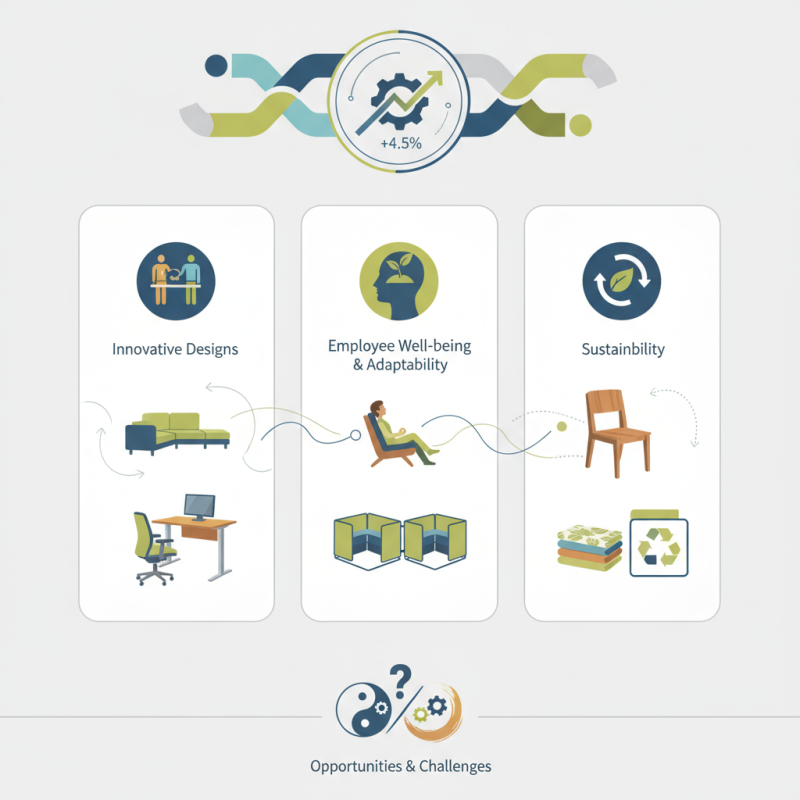
As we approach 2026, the commercial furniture industry is poised for significant transformation. A recent report from IBISWorld indicates a projected growth rate of 4.5% annually in this sector. This growth is driven by evolving work environments and changing consumer preferences.
Innovative designs are becoming essential in commercial spaces. Companies now seek furniture that promotes collaboration and employee well-being. Ergonomic and adaptable furniture solutions are in demand. However, this shift presents challenges in balancing aesthetics with functionality. Many businesses struggle to create inviting spaces while ensuring efficiency.
Sustainability is another critical trend. A survey by the Business and Institutional Furniture Manufacturers Association (BIFMA) reveals that over 70% of companies prioritize eco-friendly materials. Yet, not all businesses are ready to embrace this change. The complexity of sourcing sustainable materials can deter some from making the leap. The evolving landscape of commercial furniture offers both exciting opportunities and necessary reflections on industry practices.
Sustainability is shaping the future of commercial furniture. As businesses become more eco-conscious, sustainable materials are gaining traction. Designers are looking for innovative options, moving away from traditional hardwoods. Recycled metals and plastics are emerging as popular choices. These materials often yield unique aesthetic results while reducing environmental impact.
Biodegradable fabrics are also on the rise. They promise style without the heavy carbon footprint. Bamboo and cork are gaining attention, known for their rapid renewability. However, challenges remain in sourcing these materials responsibly. Not all manufacturers adhere to sustainable practices, which makes it hard to guarantee eco-friendliness.
There's a growing need for transparency in sourcing. Clients often struggle to find information about the materials used in their furniture. Many want to make eco-friendly choices, but lack easy access to responsible options.
The industry must improve communication about sustainable practices to truly inspire trust. It's a complex issue, requiring insight and dedication from all stakeholders.
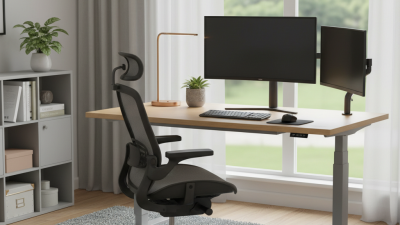
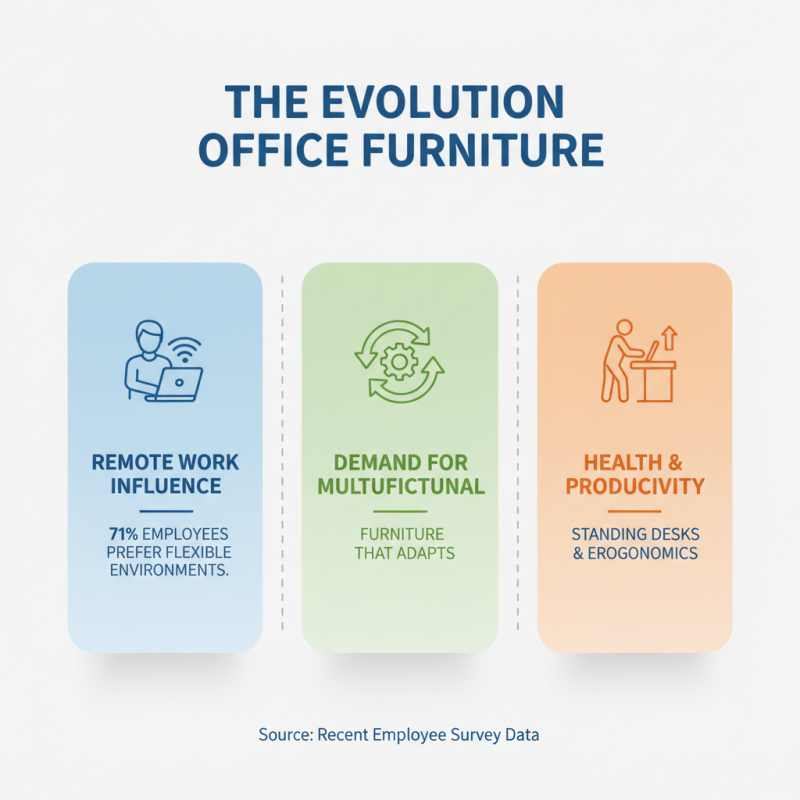
The rise of remote work has significantly influenced office furniture design preferences. A recent survey showed that 71% of employees prefer flexible work environments. This shift has led to an increased demand for multifunctional furniture. Desks that can convert to standing models are now highly sought after, promoting better health and productivity.
As companies rethink their office layouts, they also focus on comfort. Ergonomic chairs and collaborative spaces are now essential. Studies indicate that well-designed workspaces increase employee satisfaction by up to 32%. The emphasis is on creating inviting, user-friendly spaces. However, many companies still rely heavily on traditional cubicles, which may limit creativity and interaction.
**Tip**: Consider integrating biophilic design elements. This approach incorporates nature into the workspace, enhancing well-being.
There's also a trend toward minimalist design. Simple, clean lines create a calm environment. Yet, some struggle with a stark, impersonal feel. Balancing aesthetics with functionality remains a challenge.
**Tip**: Use color strategically. Soft tones can reduce stress, while bold accents can inspire creativity.
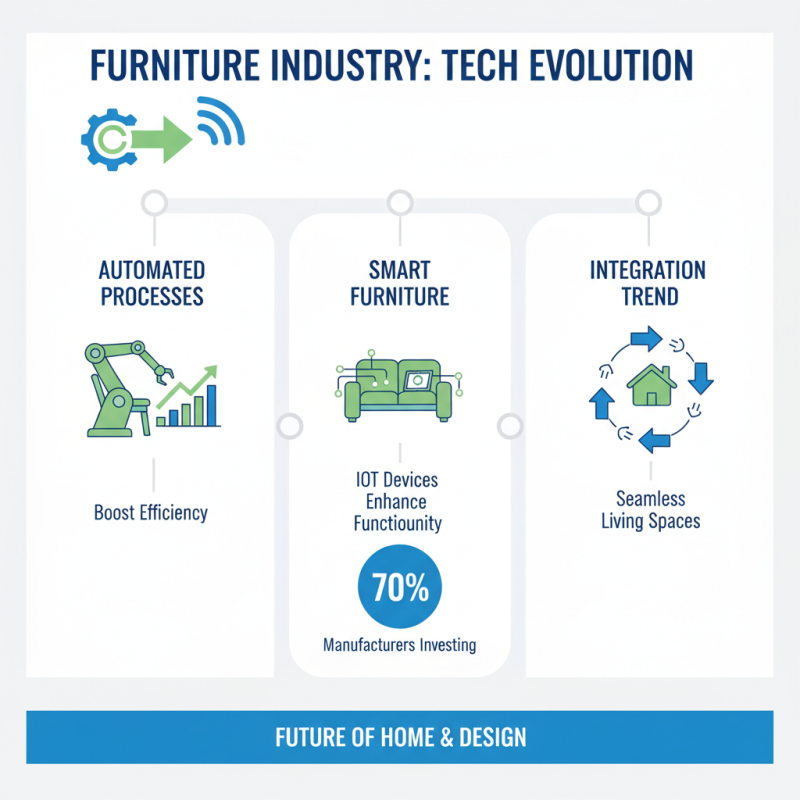
The furniture industry is undergoing significant technological evolution. Automated processes boost efficiency, while IoT devices enhance functionality. According to a recent report, 70% of manufacturers are investing in smart furniture. This highlights a growing trend towards integration.
3D printing is another game-changer. It allows for custom designs and reduces waste. An estimated 30% of furniture will be produced using this method by 2026. Yet, sourcing materials remains a challenge. Sustainability is often compromised in the name of innovation. More research is needed to find eco-friendly options.
Robotics in production lines also simplifies assembly processes. A 2022 study revealed that robotic systems can improve productivity by 50%. However, reliance on technology raises concerns. Job displacement is a real issue. The industry must balance innovation with social responsibility. Striking this balance will be key to future success.
In 2026, the demand for versatile and multi-functional furniture solutions is expected to rise significantly. Offices are evolving, and spaces need to adapt quickly. This shift reflects a growing preference for furniture that serves various purposes, fostering collaboration and productivity. For instance, desks that convert into meeting tables or seating that doubles as storage are gaining traction.
When designing your workspace, consider implementing flexible layouts. Use modular furniture that can be easily rearranged. This encourages collaboration while allowing for privacy when needed. Keep in mind that modern employees value comfort and functionality. A great tip is to incorporate adjustable desks or chairs to accommodate different working styles.
Creating an inspiring environment may seem challenging. Some designs can clash with office aesthetics. Regularly assess how your furniture affects the workflow. Get feedback from your team. Are they using the furniture as intended? Is it truly multi-functional or just a marketing gimmick? Reflecting on these questions can lead to improvements that resonate with your team’s needs.
The commercial furniture market is projected to experience remarkable growth by 2026. As businesses continue to adapt to changing work environments, the demand for innovative and functional furniture rises. The trend focuses on creating flexible and collaborative spaces. Companies are embracing designs that foster interaction among employees.
Tips for choosing furniture wisely: Prioritize multi-functional pieces. They save space and enhance usability. Consider the durability of materials too. Sustainable options are gaining popularity as businesses aim for eco-friendly practices. Look for furniture that supports health and well-being. Ergonomic designs can avoid discomfort and boost productivity.
The emergence of technology in commercial furniture is noteworthy. Furniture that integrates tech solutions satisfies modern needs. Adjustable desks and smart seating options are examples. A potential challenge could be balancing aesthetics with functionality. Design should not sacrifice user comfort or practicality. Examine trends closely, but balance with unique organizational needs.
Staverton is a British designer & manufacturer of contemporary office furniture.
Call us today: +44 (0)20 3794 1200
©2025 Staverton (UK) Ltd | Terms | Disclaimer | Cookies | Privacy

![]()
Please enter your details below to access the design files.